.webp)
Satisfactory – Tips & Guides to Build Efficient Factories and Scale Without Chaos
Satisfactory is a first-person factory-building and automation game that challenges players to design, optimize, and expand complex production systems on an alien planet. While the early game focuses on simple crafting, the experience quickly evolves into large-scale logistics, power management, and efficiency optimization. Poor early decisions can lead to massive redesigns later.
This guide is intended to help players build strong foundations, avoid common efficiency traps, and scale production smoothly. Whether you are new to automation games or an experienced builder, these tips will help you keep your factories organized and productive.
1. Understanding the Core Gameplay Loop
Automation Over Manual Crafting
Satisfactory is built around automation.
Manual crafting should only be used temporarily during early progression.
Scaling Is Inevitable
Factories are designed to grow.
Planning for expansion from the start prevents future bottlenecks and redesigns.
2. Choosing a Smart Starting Location
Resource Access Matters
Starting near iron, copper, and limestone nodes simplifies early progression.
Shorter transport distances reduce complexity.
Thinking Ahead About Space
Flat terrain allows cleaner factory layouts.
Crowded areas make expansion difficult later.
3. Early-Game Factory Layout Planning
Building With Space in Mind
Avoid placing machines too close together.
Extra space allows for belt upgrades and reconfiguration.
Using Simple Production Lines
Early efficiency comes from simplicity.
Overcomplicating setups wastes time and materials.
4. Power Generation and Management
Understanding Power Demand
Machines consume power continuously.
Power shortages halt production entirely.
Building Power Redundancy
Always generate more power than needed.
Reserve capacity prevents shutdowns during expansion.

5. Conveyor Belts and Logistics Basics
Belt Capacity Awareness
Each belt has a maximum throughput.
Exceeding it causes production slowdowns.
Organizing Belt Routes
Clear belt paths improve readability.
Well-organized logistics make troubleshooting easier.
6. Resource Node Usage and Optimization
Miner Upgrades Matter
Upgrading miners increases output significantly.
Ignoring miner upgrades limits factory growth.
Splitting and Balancing Inputs
Proper splitters ensure even resource distribution.
Balanced inputs maximize machine efficiency.
7. Vertical Building and Factory Organization
Building Upward
Vertical construction saves space and improves organization.
Stacked production floors reduce horizontal sprawl.
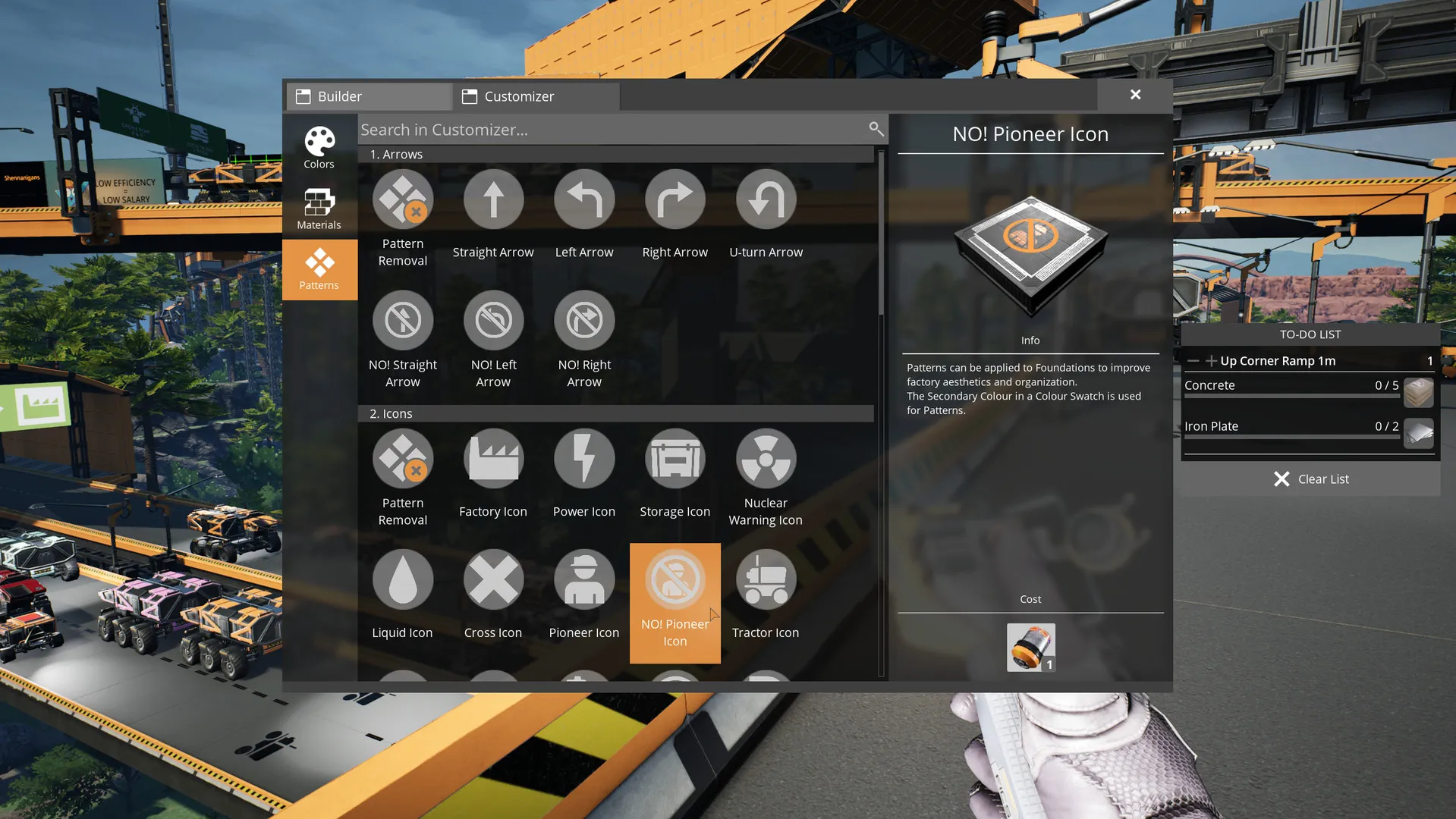
Using Foundations Effectively
Foundations improve alignment and consistency.
A clean grid makes expansion easier.
8. Managing Complexity in Mid-Game Production
Modular Factory Design
Modules simplify expansion and troubleshooting.
Isolated production blocks are easier to adjust.
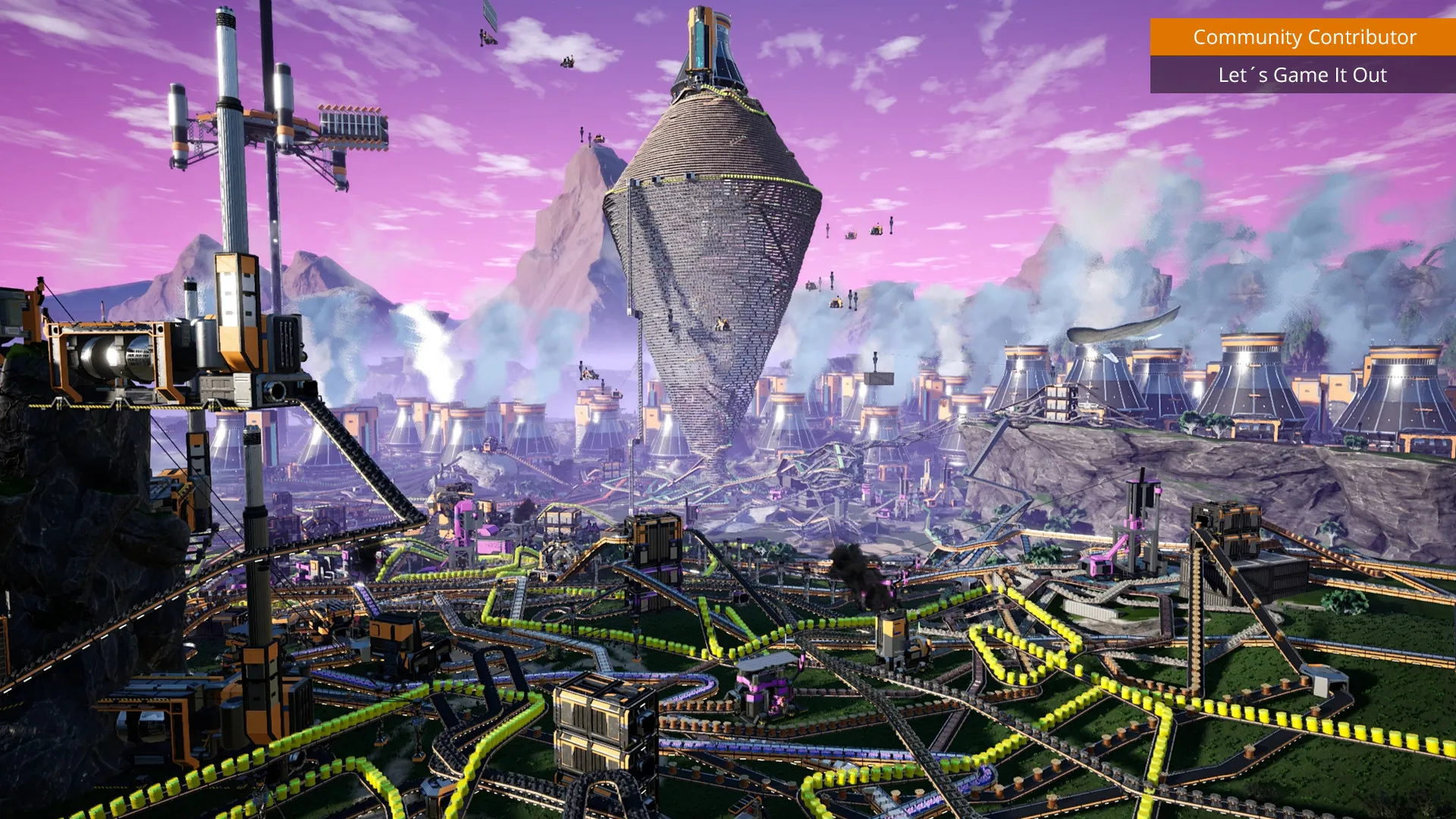
Avoiding Spaghetti Builds
Unplanned belts create confusion.
Structured layouts improve long-term efficiency.
9. Transportation Systems and Long-Distance Logistics
When to Use Vehicles or Trains
Long distances benefit from advanced transport.
Conveyor belts are not always the best solution.
Planning Transport Infrastructure Early
Routes should be expandable.
Poor planning leads to logistical bottlenecks.
10. Developing an Efficient Builder Mindset
Iteration Is Normal
Rebuilding is part of the experience.
Improving efficiency requires experimentation.
Balancing Perfection and Progress
Perfection can stall progress.
Build functional systems first, then optimize.
Conclusion
Satisfactory rewards thoughtful planning, clean organization, and steady expansion. While mistakes are inevitable, players who build with scalability and efficiency in mind will avoid frustration and enjoy smoother progression.
By applying the tips and guides in this article, you can design factories that grow cleanly, stay efficient, and remain truly satisfactory.