.webp)








PEAK is a vertical survival-climbing experience where momentum control, stamina management, route planning, and environmental awareness determine survival. Unlike traditional action titles, PEAK focuses on precision movement and calculated risk while ascending increasingly dangerous terrain.
This guide follows your progression chronologically — from early foothold control to advanced summit optimization — helping you climb efficiently while minimizing fatal mistakes.
1. Understanding Core Climbing Mechanics
Before attempting difficult routes, you must master movement fundamentals.
Grip & Stamina System
Every climb consumes stamina. If stamina reaches zero:
- You lose grip
- You fall
- You restart progress
Never treat stamina casually.
Controlled Movement
Avoid:
- Rapid directional swings
- Overreaching jumps
- Panic climbing
Smooth, deliberate movements conserve stamina.
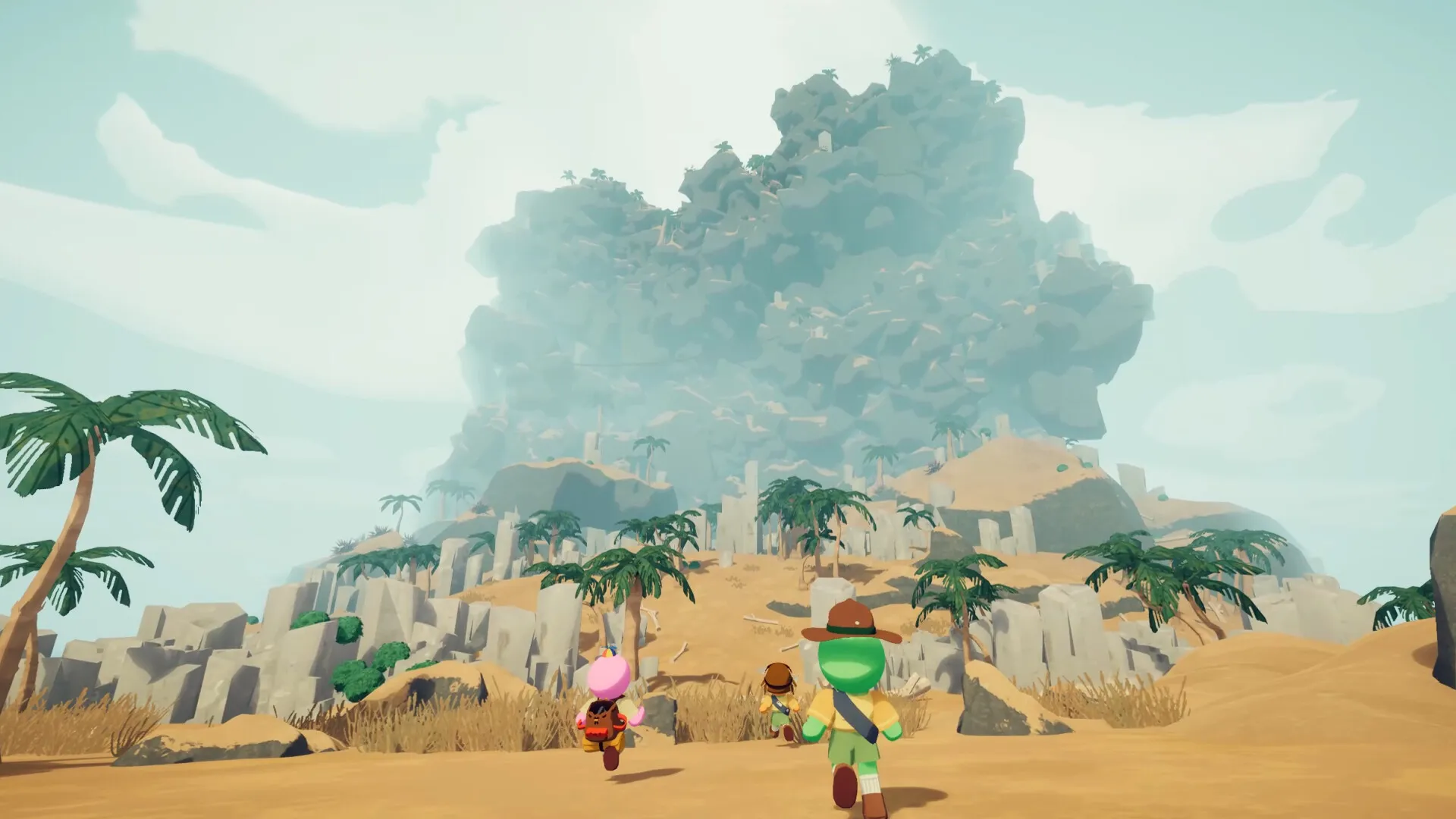
2. Early Route Selection Strategy
Choosing the correct path is more important than speed.
Identify Safe Anchors
Look for:
- Large ledges
- Stable rock surfaces
- Clear handhold chains
Avoid narrow overhangs early in progression.
Climb in Segments
Divide the climb into:
- Short stamina bursts
- Rest points
- Recovery pauses
Segmented climbing prevents sudden exhaustion.
3. Stamina Management & Recovery Discipline
Stamina is your most valuable resource.
Rest Frequently
Even if stamina is not fully drained:
- Pause at safe ledges
- Let it recover fully
- Plan next movement before continuing
Prevention is safer than reaction.
Avoid Panic Grip
When slipping:
- Do not spam movement
- Stabilize first
- Recover stamina
Overcorrection often causes fatal errors.
4. Risk Assessment & Environmental Awareness
Higher altitude introduces:
- Narrow ledges
- Slippery surfaces
- Limited recovery zones
Evaluate Before Moving
Before every jump:
- Confirm next handhold
- Assess distance
- Check stamina level
Never jump blindly.
Weather & Terrain Conditions
If environmental changes occur:
- Reduce speed
- Increase rest frequency
- Shorten movement bursts
Environmental adaptation improves survival rate.
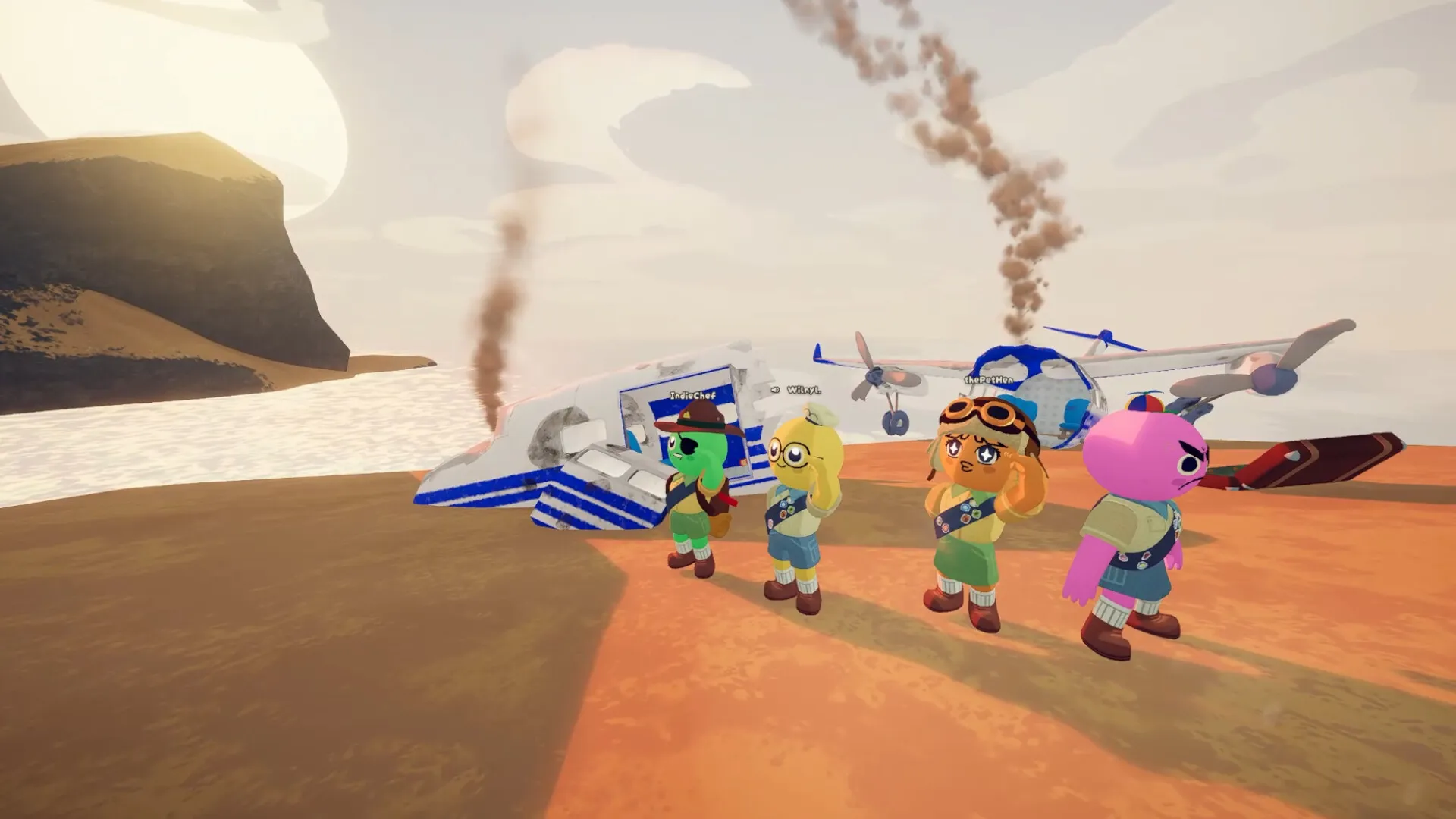
5. Efficient Vertical Progression
Climbing straight up is not always optimal.
Diagonal Movement Advantage
Sometimes moving laterally:
- Provides safer footholds
- Conserves stamina
- Reduces exposure risk
Vertical efficiency is about safety, not speed.
Avoid Dead-End Routes
If route becomes unstable:
- Backtrack early
- Re-evaluate path
- Do not commit fully to risky sequences
Retreat is part of strategy.
6. Momentum & Jump Timing
Advanced sections require controlled jumps.
Short Burst Jumps
Use:
- Minimal directional input
- Controlled upward push
- Quick stabilization after landing
Large swings drain stamina faster.
Landing Stability
After landing:
- Stop moving
- Rebuild stamina
- Adjust camera view for next move
Immediate chain movement increases fall risk.
7. Mental Discipline & Error Recovery
Climbing games test patience.
Avoid Tilt
Falling repeatedly can cause:
- Rushed attempts
- Impulsive jumps
- Poor route decisions
Reset mindset after failure.
Structured Retry Approach
After a fall:
- Analyze mistake
- Adjust route
- Slow initial pace
Each attempt should improve consistency.
8. Mid-Game Difficulty Scaling
As elevation increases, margin for error decreases.
Precision Over Speed
At higher levels:
- Reduce jump length
- Increase micro-adjustments
- Use more frequent rest points
Climbing faster rarely equals climbing better.
Controlled Risk Windows
Sometimes risk is required. When taking risk:
- Ensure stamina near maximum
- Confirm clear recovery spot
- Minimize exposure time
Calculated risk beats spontaneous aggression.
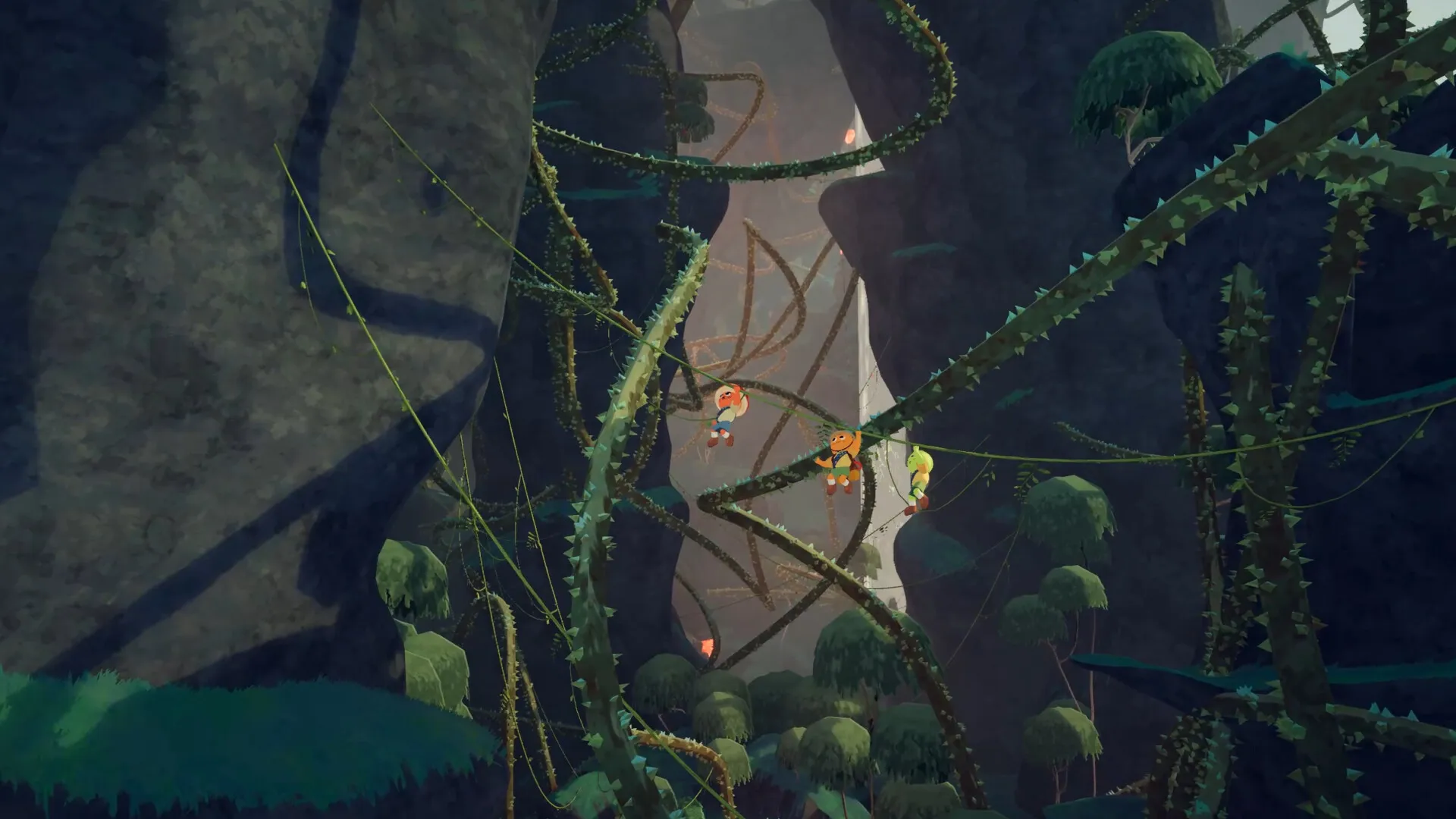
9. Advanced Optimization Techniques
Experienced players refine efficiency.
Micro-Positioning
Shift slightly before jumping to:
- Reduce reach distance
- Align body for stable landing
- Conserve stamina
Small adjustments create major stability improvements.
Route Memorization
Repeated attempts build:
- Muscle memory
- Optimal handhold chains
- Safer path recognition
Knowledge reduces reaction time.
10. Summit Strategy & Final Stretch
Final sections often combine:
- Tight spacing
- Reduced recovery zones
- High consequence falls
Final Phase Preparation
Before committing to summit:
- Fully recover stamina
- Plan entire sequence visually
- Minimize unnecessary movements
Slow Is Smooth
Approach final meters with:
- Short movements
- Clear planning
- Calm execution
The last stretch rewards discipline more than aggression.
Common Beginner Mistakes
- Ignoring stamina levels
- Jumping without visual confirmation
- Climbing too fast early
- Panicking during slips
- Refusing to retreat from risky paths
Correcting these increases survival dramatically.
Conclusion
PEAK is a test of patience, stamina control, and structured decision-making. Mastery comes from smooth movements, disciplined rest management, and careful route evaluation rather than speed or aggression.
Treat every ascent like a calculated operation: plan your path, conserve stamina, adjust to terrain, and maintain mental composure. With consistent execution and strategic pacing, reaching the summit becomes achievable rather than accidental.