.webp)








Introduction
EA SPORTS™ Madden NFL 26 continues the evolution of football simulation by blending realistic NFL strategy with accessible gameplay systems. With refined player movement, smarter AI, expanded playbooks, and deeper franchise mechanics, Madden NFL 26 rewards players who understand football fundamentals as much as controller skills. Winning consistently requires more than quick reactions—it demands reading defenses, managing clock control, and adapting strategies throughout a game.
This Tips & Guides article is built to help players improve from kickoff to the final whistle. Whether you focus on Ultimate Team, Franchise, or online head-to-head play, this guide walks through core mechanics, offensive and defensive strategy, and long-term progression to help you become a smarter and more consistent Madden player.
Understanding Madden NFL 26 Core Gameplay Systems
Madden NFL 26 emphasizes realism and decision-making. Player ratings, momentum, fatigue, and situational football all play meaningful roles in how games unfold. Success comes from making the right choices rather than forcing highlight plays.
Momentum systems influence crowd noise, play execution, and player confidence. Managing momentum swings—especially in away games—can decide close matches.
Football IQ matters more than ever. Recognizing defensive shells, offensive formations, and game situations allows players to control the pace and outcome of games.
Choosing the Right Team for Your Playstyle
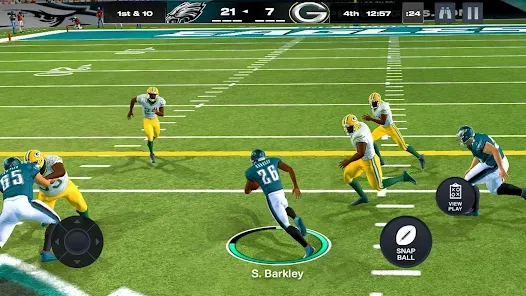
Not all teams play the same in Madden NFL 26. Team strengths are closely tied to real-world rosters, making scheme fit extremely important.
Teams with elite quarterbacks excel in passing-heavy offenses, while run-focused teams thrive behind strong offensive lines. Defensive-heavy teams reward disciplined zone coverage and pressure schemes.
Choosing a team that fits your preferred style—pass-first, run-heavy, or balanced—improves consistency and reduces forced mistakes.
Offensive Fundamentals and Play Calling Strategy
Effective offense begins with smart play calling. Mixing run and pass keeps defenses honest and opens opportunities for big plays.
Avoid repeating the same concepts too often. Defenses adapt quickly, especially against experienced opponents. Use motion, audibles, and formation changes to disguise intent.
Short gains matter. Sustaining drives through safe completions and steady rushing builds momentum and controls time of possession.
Passing Game Mechanics and Quarterback Decision-Making
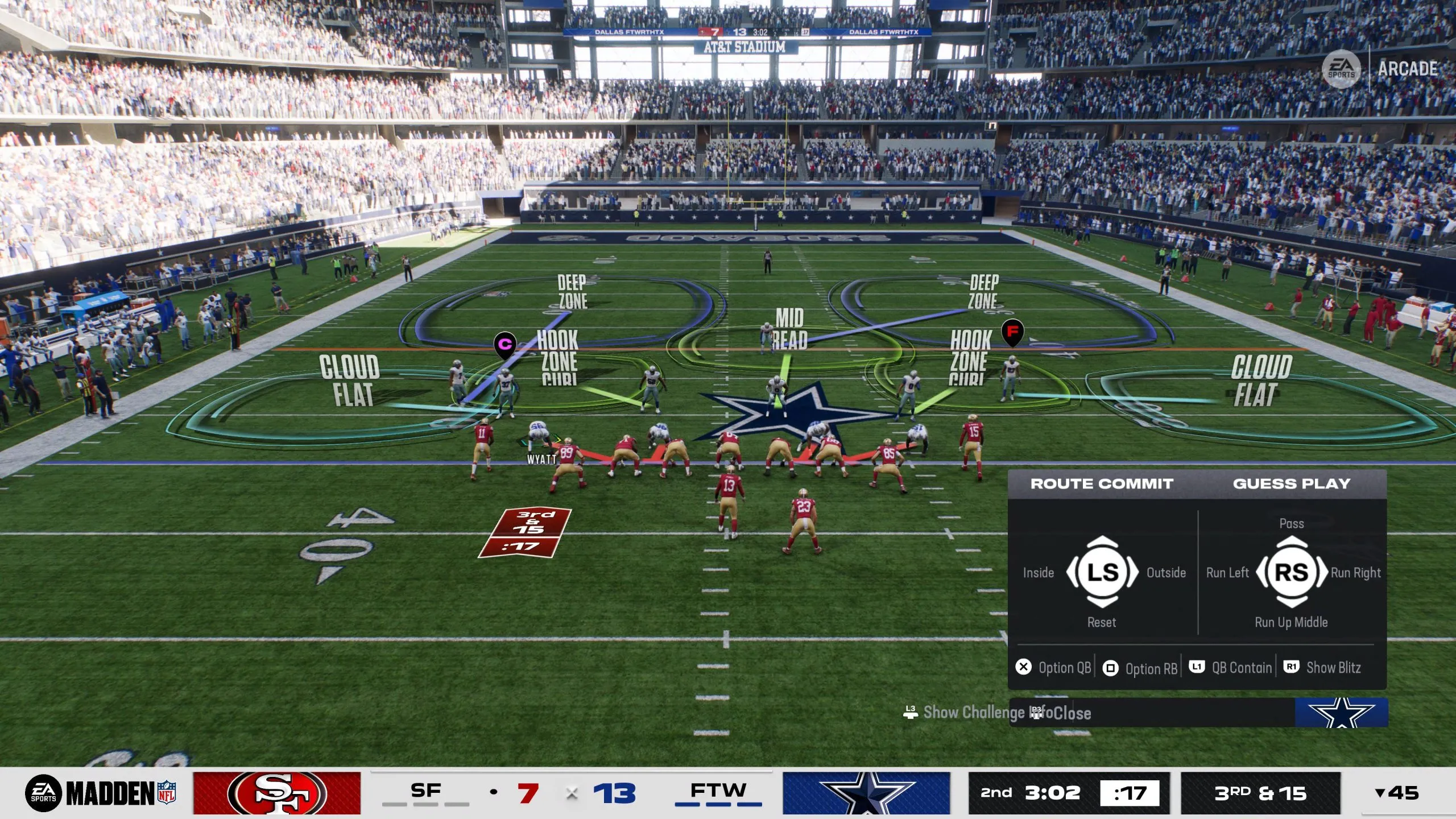
Passing in Madden NFL 26 rewards timing and accuracy. Reading defenses before the snap helps identify blitzes, coverages, and mismatches.
Quick reads and check-downs are safer than forcing deep throws. Throwing the ball away is often better than risking sacks or interceptions.
Understanding route concepts and receiver tendencies allows you to anticipate openings rather than reacting late.
Running Game, Blocking, and Ball Control
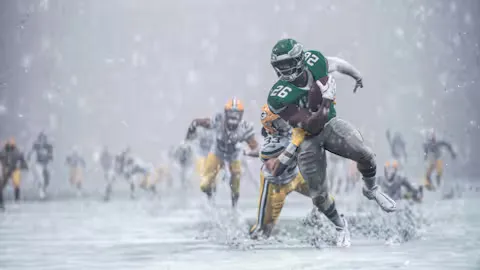
A strong running game sets the tone. Patience is key—waiting for blocks to develop leads to bigger gains than sprinting immediately.
Reading defensive fronts helps determine run direction. Attacking weak edges or overcommitted linebackers increases success rates.
Ball control reduces opponent opportunities. Long, methodical drives tire defenses and limit high-risk situations.
Defensive Coverage and Play Recognition
Defense in Madden NFL 26 is about anticipation and discipline. Overcommitting often leads to big plays for the offense.
Mixing man and zone coverage keeps opponents guessing. Adjusting coverage depth based on down and distance improves defensive efficiency.
Learning opponent tendencies—favorite routes, formations, and play timing—allows you to counter strategies more effectively.
Pass Rush, Blitzing, and Pressure Management
Generating pressure without sacrificing coverage is a key defensive skill. Over-blitzing leaves receivers open and invites quick passes.
Timed blitzes on obvious passing downs disrupt quarterback rhythm. Controlled pressure forces mistakes without exposing the secondary.
Using defensive line stunts and pre-snap adjustments adds unpredictability and improves sack opportunities.
Special Teams and Field Position Control
Special teams often decide close games. Smart punt placement, kick returns, and field goal management influence momentum and scoring chances.
Avoid unnecessary risks on returns when field position is poor. Securing possession is often more valuable than chasing big returns.
Understanding when to attempt long field goals versus pinning opponents deep adds strategic depth to decision-making.
Game Management, Clock Control, and Situational Awareness
Winning in Madden NFL 26 often comes down to situational football. Managing timeouts, two-minute drills, and clock control is critical.
Slowing the pace when ahead and accelerating when behind requires discipline. Avoid rushing decisions under pressure.
Fourth-down decisions should reflect game context rather than impulse. Field position, score, and remaining time matter more than aggression.
Long-Term Progression, Practice, and Skill Improvement
Improvement comes from reflection and practice. Reviewing replays helps identify mistakes in coverage, play calling, and execution.
Focus on one improvement area at a time:
- Passing reads
- Defensive adjustments
- Clock management
- Playbook mastery
Consistent practice builds confidence and adaptability across different game modes and opponents.
Conclusion
EA SPORTS™ Madden NFL 26 rewards players who think like coaches and execute like athletes. Success comes from understanding football concepts, managing momentum, and making smart decisions under pressure.
By mastering offensive balance, defensive discipline, and game management, players can improve consistency and enjoy deeper, more competitive gameplay. These tips and guides provide a strong foundation for winning more games and mastering modern Madden football.
160-Character Summary:
Madden NFL 26 tips and guides covering offense, defense, play calling, clock control, team selection, and long-term strategy to help players win consistently.