






Introduction
Cities: Skylines is a modern city-building simulation that puts players in full control of designing, managing, and expanding a thriving metropolis. Developed as a deep alternative to traditional city simulators, the game offers detailed systems covering traffic flow, taxation, zoning, public services, infrastructure, and citizen happiness. Every road placed and every budget adjustment influences how the city grows.
Unlike simpler builders, Cities: Skylines emphasizes long-term planning. A poorly designed intersection can create massive traffic congestion hours later. Overzoning can crash demand. Ignoring services can lead to crime waves or mass sickness. This guide walks through each stage of development—from early town foundations to late-game megacity management—helping you create efficient, profitable, and happy urban environments.
Understanding the Core City Simulation Systems
At its foundation, Cities: Skylines operates on interconnected systems. Residential, commercial, and industrial zones fuel economic growth, but each depends on infrastructure and services. Citizens require jobs, education, healthcare, transportation, and entertainment.
The core systems include:
- Zoning demand (Residential, Commercial, Industrial)
- Traffic and road hierarchy
- Utilities (electricity, water, sewage)
- Public services (police, fire, healthcare, education)
- Taxation and budgeting
Ignoring one system destabilizes others. For example, poor traffic design slows deliveries, which hurts commercial businesses, which lowers tax income. Balance is the key principle of successful urban development.
Early Game Setup and Foundational Planning
When starting a new city, simplicity and structure matter most. Early money is limited, so overbuilding leads to bankruptcy quickly.
Early priorities:
- Build basic road grids
- Establish power and water
- Zone small, controlled areas
- Monitor demand meters
Avoid large industrial zones immediately. Gradual expansion ensures tax income covers maintenance costs.
Planning road layout early prevents later reconstruction. Leave room for highways, public transport corridors, and future district expansion.
Road Hierarchy and Traffic Flow Design
Traffic management is one of the most important mechanics in Cities: Skylines. Poor road hierarchy causes congestion that cripples your economy.
Effective road planning includes:
- Highways for long-distance travel
- Arterial roads for major traffic flow
- Collector roads connecting neighborhoods
- Local streets for residential areas
Avoid placing traffic lights at every intersection. Roundabouts and proper lane mathematics improve flow efficiency.
Industrial areas should connect directly to highways to prevent cargo trucks from clogging residential streets.
Utilities and Infrastructure Efficiency
Utilities are essential but costly. Efficient placement reduces expenses while maintaining service coverage.
Infrastructure basics:
- Coal or wind power plants early
- Water pumps upstream, sewage downstream
- Power lines minimized for cost efficiency
Upgrading to cleaner energy reduces pollution and improves land value. Water contamination causes sickness quickly, so placement is critical.
Infrastructure should expand alongside population growth—not far ahead of it.
Zoning Strategy and Demand Management
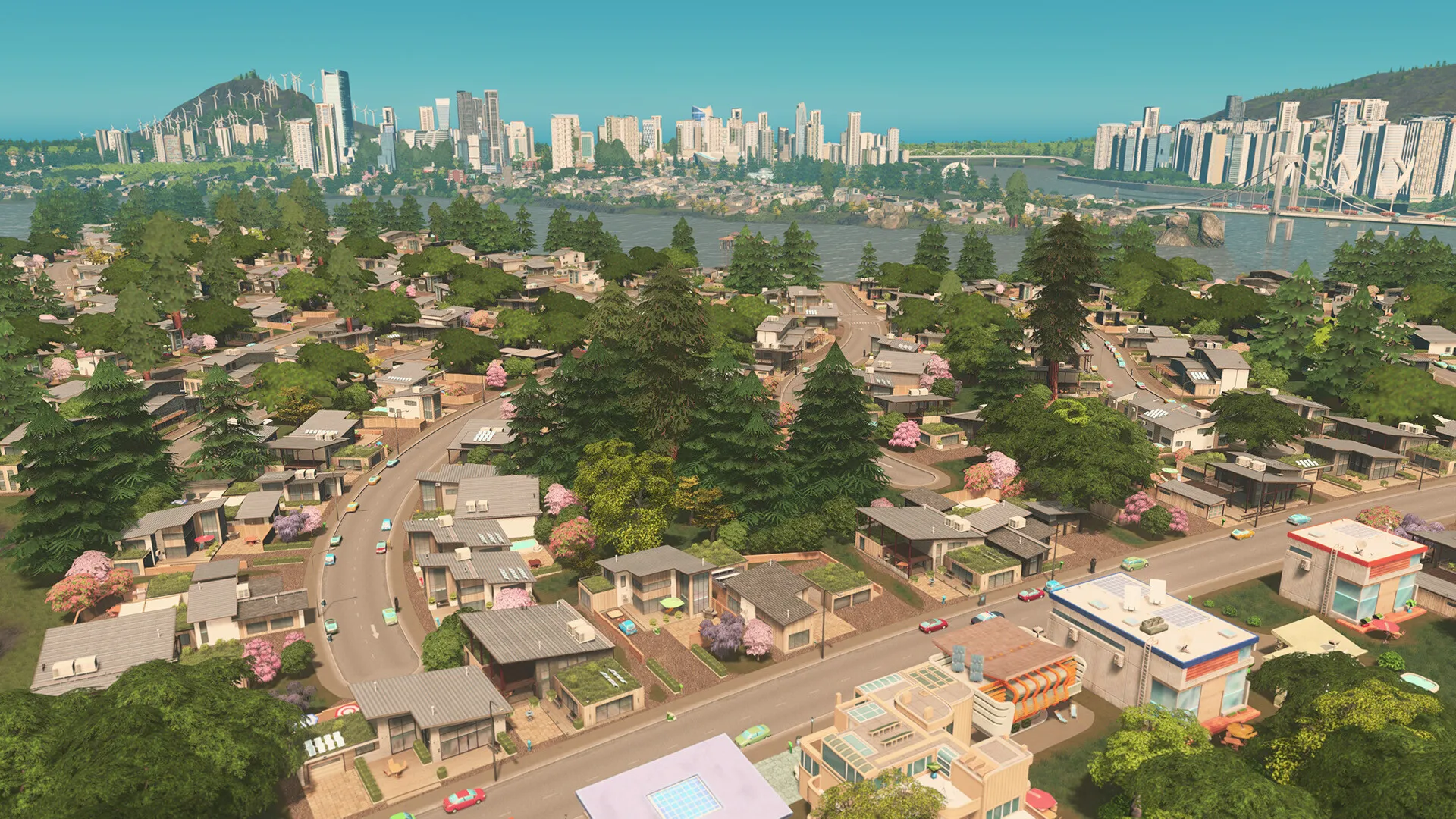
Zoning drives population growth and economic activity. However, zoning too much too quickly causes unemployment or abandoned buildings.
Smart zoning practices:
- Zone gradually based on demand
- Separate industry from residential areas
- Mix low-density and high-density strategically
High-density zoning requires education and service support. Without educated workers, offices and commercial buildings underperform.
Balancing demand bars ensures steady growth rather than unstable spikes.
Public Services and Citizen Happiness
Citizen happiness determines city growth and tax revenue. Services must scale with population increases.
Key services include:
- Healthcare
- Fire departments
- Police stations
- Schools
- Garbage collection
Coverage matters more than quantity. Placing services centrally improves efficiency.
Overfunding services drains budget. Adjusting service budgets during low demand periods increases profitability.
Budgeting, Taxes, and Economic Stability
Financial management separates struggling cities from thriving ones. Monitoring income versus expenses is essential at every milestone.
Tax guidelines:
- 9–12% tax rates are generally safe
- Higher rates reduce happiness and demand
- Lower rates can stimulate growth
Loans can stabilize early expansion but should be repaid quickly to avoid long-term strain.
Balancing income streams across residential, commercial, and industrial sectors ensures steady revenue.
Public Transportation and Traffic Optimization
As cities grow, traffic becomes the primary challenge. Public transportation reduces road congestion and increases citizen satisfaction.
Transport options include:
- Bus routes
- Metro systems
- Trains
- Trams
- Airports and harbors (late game)
Efficient public transport connects residential areas to commercial and industrial hubs.
Overlapping routes waste money. Strategic placement based on population density yields best results.
District Policies and Specialized Zones
District tools allow customization of city areas. Policies can improve efficiency but increase maintenance costs.
Examples of policies:
- Recycling programs
- High-tech housing
- Heavy traffic bans
- Education boosts
Specialized industry zones such as farming, forestry, oil, and ore generate higher profits when placed on resource-rich land.
Policy experimentation refines city optimization over time.
Mid-Game Expansion and High-Density Development
Mid-game introduces skyscrapers and office zones. High-density areas generate more tax revenue but demand advanced infrastructure.
High-density planning requires:
- Strong public transportation
- Higher education coverage
- Advanced healthcare
- Noise management
Mixing commercial and residential high-density zones creates vibrant downtown districts.
Expansion should move outward logically rather than randomly filling available space.
Late-Game Megacity Optimization
In late-game stages, cities can surpass hundreds of thousands of citizens. At this scale, micro-optimization becomes crucial.
Late-game focus areas:
- Advanced traffic interchanges
- Cargo rail optimization
- Pollution control
- Tourism development
Replacing outdated infrastructure improves performance. Upgrading road networks reduces bottlenecks.
Large cities require constant monitoring to maintain efficiency and citizen satisfaction.
Conclusion
Cities: Skylines is a deeply rewarding city-building simulator that challenges players to think like urban planners. Success requires balancing infrastructure, economy, traffic, and citizen happiness simultaneously. Small early decisions echo throughout later stages, making thoughtful planning essential.
From humble towns to sprawling megacities, the journey reflects your strategic skill and adaptability. With careful budgeting, intelligent road design, and scalable zoning, any city can evolve into a thriving metropolis. Cities: Skylines proves that city-building is not just about expansion—it is about intelligent design.
160-Character Summary
Cities: Skylines challenges players to build and manage thriving cities through smart zoning, traffic design, budgeting, and infrastructure planning.