.webp)
Rocket League – A Complete Game Review and Beginner’s Guide
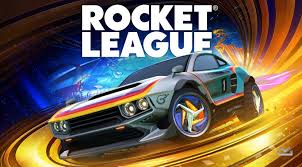
Rocket League is a unique competitive sports game that combines high-speed driving with the excitement of soccer. Developed by Psyonix, the game puts players behind the wheels of rocket-powered cars and challenges them to score goals by hitting a giant ball into the opposing team's net. Its unusual concept, responsive controls, and physics-based gameplay have helped it become one of the most recognizable competitive games in modern gaming.
Unlike traditional soccer games, Rocket League does not require players to control human athletes. Instead, every match takes place in an arena where cars accelerate, jump, boost through the air, and collide with the ball to create scoring opportunities. The rules are simple to understand, but mastering the mechanics takes practice, coordination, and quick decision-making.
One of Rocket League's greatest strengths is its balance between accessibility and depth. Beginners can enjoy casual matches almost immediately, while experienced players can spend hundreds of hours improving their aerial control, ball positioning, teamwork, and competitive consistency. With online multiplayer, ranked playlists, customizable cars, and several alternative game modes, the game offers plenty of reasons to keep playing.
This review explores Rocket League's core gameplay, game modes, controls, progression, customization, multiplayer experience, graphics, advantages, disadvantages, and overall value. Whether you are discovering the game for the first time or looking for a detailed overview before playing, this guide explains what makes Rocket League such a distinctive experience.
1. What Is Rocket League?
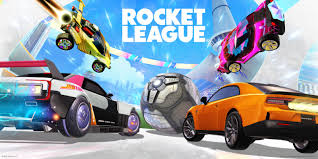
Rocket League is a vehicle-based sports game that blends arcade driving with soccer-inspired competition. Players control customizable cars on enclosed arenas and attempt to score more goals than their opponents before the match timer expires.
The basic objective is straightforward: drive toward the ball, hit it in the right direction, defend your own goal, and cooperate with teammates. However, the physics-based design creates countless situations that require accurate timing and good judgment.
The game is available on PC and major consoles, including PlayStation, Xbox, and Nintendo Switch. It is free to play, although optional in-game purchases are available for cosmetic content and other items.
A Different Kind of Sports Game
Traditional soccer games focus on player movement, passing between teammates, and controlling individual athletes. Rocket League replaces those systems with vehicle physics, aerial movement, momentum, and direct interaction with the ball.
This difference gives the game a distinctive identity. Players must learn how speed, jumping, boosting, and the angle of impact affect the ball's movement.
A shot is not simply a button press. Its direction and power depend on the player's approach, timing, and position relative to the ball.
Easy to Learn, Difficult to Master
New players can understand the basic objective within minutes. Driving around an arena and hitting the ball toward the goal feels intuitive, even without previous experience in competitive sports games.
The challenge comes from consistency. Hitting a moving ball accurately is much harder than it first appears, particularly when opponents are applying pressure or the ball is traveling through the air.
This learning curve is one of Rocket League's defining qualities. The game provides a clear path for improvement without requiring players to memorize complicated rules before they can enjoy a match.
2. Core Gameplay and Match Objectives
Rocket League matches revolve around scoring goals, preventing opponents from scoring, and managing the space between both teams.
Players must balance attacking with defending. Chasing the ball constantly may seem like the best strategy at first, but it can leave the team's goal unprotected and create easy scoring opportunities for opponents.
Understanding when to attack, rotate away from the ball, or return to defense is essential for consistent performance.
Scoring Goals
Scoring requires more than hitting the ball as hard as possible. The best opportunities often come from finding open space, approaching at the correct angle, or taking advantage of an opponent's defensive mistake.
A powerful shot can be useful, but a well-placed shot may be more effective when the goalkeeper is positioned poorly.
Players gradually learn to recognize these opportunities and anticipate where the ball will travel after contact.
Defending Your Goal
Defense is just as important as scoring. A player who understands how to position their car between the ball and the goal can prevent opponents from converting promising attacks.
Good defenders avoid unnecessary challenges and pay attention to the positions of their teammates. They also learn when to clear the ball away from danger instead of attempting an ambitious shot.
Successful defense frequently creates the foundation for a counterattack.
Boost Management
Boost is a central mechanic that allows cars to accelerate rapidly and perform powerful movements. Boost pads are scattered around the arena, and collecting them helps players maintain the speed needed for attacking, defending, and aerial plays.
However, boost is a limited resource. Using it constantly can leave a player unable to respond when an important opportunity appears.
Learning to conserve boost, collect pads while rotating, and recognize when extra speed is genuinely necessary can improve overall efficiency.
3. Controls, Movement, and Advanced Mechanics
Rocket League's controls are relatively simple, but the movement system offers considerable depth. Players can accelerate, steer, jump, boost, dodge, and perform combinations of these actions to control their cars more precisely.
Understanding the relationship between movement and ball physics is more important than pressing buttons quickly.
Basic Driving and Ball Control
Beginners should first learn how to drive consistently, turn smoothly, and make contact with the ball without losing control of their car.
It is helpful to practice approaching the ball from different angles. Direct contact may send it forward, while a sideways approach can redirect it across the arena.
Learning to control the direction and strength of a hit creates more reliable scoring opportunities.
Jumping and Aerial Control
Jumping allows players to reach balls that would otherwise pass overhead. With additional boost and careful movement, players can steer through the air to reach difficult shots or defensive clearances.
Aerial control takes practice because players must manage their car's orientation while judging the ball's trajectory.
Beginners do not need advanced aerial techniques immediately. Consistent ground play, reliable defensive positioning, and accurate basic shots provide a strong foundation.
Recoveries and Positioning
A recovery is the process of returning to a useful position after jumping, colliding, or moving away from the play.
Efficient recoveries matter because time spent landing awkwardly or driving back toward the action can give opponents a numerical advantage.
Players improve by learning to land on their wheels, avoid unnecessary movements, and return to a position where they can help the team.
4. Game Modes and Different Ways to Play
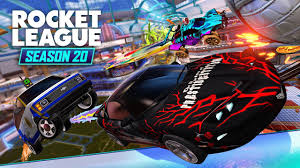
Rocket League offers several ways to enjoy its central car-soccer concept. Players can compete individually, join small teams, or experiment with alternative modes that change the rules and objectives.
The official game listing highlights standard competitive formats such as 1v1, 2v2, and 3v3, alongside additional modes including Hoops, Snow Day, and Rumble.
1v1 Matches
One-versus-one matches place individual decision-making at the center of the experience.
Every mistake becomes more noticeable because there is no teammate available to cover an exposed position. Players must manage their boost, choose challenges carefully, and take responsibility for both attacking and defending.
This mode can be useful for identifying weaknesses in ball control and positioning.
2v2 Matches
Two-versus-two matches offer a balance between individual responsibility and teamwork.
Each player has more opportunities to interact with the ball than in larger teams, but coordination remains important. Players need to recognize when their teammate is attacking and when they should provide defensive support.
Good communication and careful positioning can make a significant difference.
3v3 Matches
Three-versus-three is a core team format that creates more complex attacking and defensive situations.
Players must share responsibility for the ball rather than crowding around it. When one teammate challenges an opponent, another can prepare for the next touch while the third remains available to defend.
Learning to rotate between these roles helps a team maintain pressure without leaving its goal exposed.
Alternative Game Modes
Alternative modes provide variety for players who want a change from standard car soccer.
Hoops introduces a basketball-inspired objective, while Snow Day changes the central object and the way players approach possession. Rumble adds special abilities that create more unpredictable encounters.
These modes offer a different pace and can be useful when players want a less conventional match.
5. Ranked Competition and Skill Progression
Rocket League's competitive system gives players a structured way to measure improvement. Ranked playlists allow players to compete against opponents around their current skill level and work toward higher competitive ranks.
The appeal of ranked play comes from its combination of immediate goals and long-term progression. Winning a match feels satisfying, but improving a particular skill can be equally rewarding.
Learning from Every Match
Competitive improvement is not only about winning. Players can learn from losses by identifying repeated mistakes.
For example, a player might discover that they challenge the ball too early, use too much boost, or leave their defensive position too frequently.
Recognizing these patterns creates a practical starting point for improvement.
Consistency Matters More Than Occasional Highlights
Advanced aerial goals and impressive saves can be exciting, but reliable fundamentals often contribute more to long-term success.
Players who consistently make useful touches, rotate correctly, and support their teammates can become valuable contributors without performing complicated tricks.
Developing these habits helps create a stable foundation for more advanced mechanics later.
Competitive Pressure
Ranked matches can become intense because every goal may influence the final result.
That pressure can be motivating, but players should remember that one match does not define their overall ability. Taking breaks, reviewing mistakes calmly, and focusing on gradual improvement can make competitive play more enjoyable.
6. Multiplayer, Teamwork, and Cross-Platform Play
Multiplayer is one of Rocket League's most important features. The game supports online competition and allows players on supported platforms to play together.
Cross-platform matchmaking includes players on Epic Games Store, PlayStation, Xbox, Nintendo Switch, and Steam. Players can also create private matches with friends on different platforms.
This flexibility makes it easier to enjoy matches with friends who use different gaming systems.
Why Teamwork Matters
Even though Rocket League looks like a game about cars hitting a ball, teamwork has a major influence on match outcomes.
Players must recognize each other's intentions, avoid interfering with teammates, and maintain suitable spacing around the arena.
A team that attacks together without leaving its goal exposed can create more reliable scoring opportunities than a group of players who chase the ball independently.
Communication and Rotation
Communication can help teammates coordinate attacks, warn each other about defensive threats, and decide when to challenge the ball.
Rotation is equally important. Rather than allowing every player to pursue the same touch, teammates take turns moving into attacking and defensive positions.
This system reduces confusion and helps the team maintain coverage across the arena.
Playing With Friends
Private matches and casual playlists offer opportunities to practice with friends without treating every game as a serious competitive test.
Players can experiment with different strategies, learn the controls together, and enjoy the unpredictable moments that emerge from vehicle physics.
For many people, this social side is one of the game's most enjoyable qualities.
7. Car Customization, Rewards, and Progression
Rocket League gives players numerous ways to personalize the appearance of their vehicles. Customization options can include car bodies, decals, wheels, boosts, goal explosions, and other cosmetic elements.
These items allow players to create a distinctive appearance without changing the fundamental objective of scoring goals.
Creating a Personal Car Design
Customization gives players a reason to experiment with colors, visual effects, and different combinations of items.
Some prefer clean designs with simple color schemes, while others enjoy elaborate appearances that stand out during matches.
The system supports personal expression without requiring players to follow a particular style.
Challenges and Rewards
The game includes challenges and progression features that can reward players with customization items. The official store listing also describes the Rocket Pass, competitive ranks, tournaments, and seasonal challenges as part of the broader experience.
These systems provide additional objectives beyond winning matches.
However, cosmetic rewards are optional extras rather than a substitute for learning the gameplay itself. Players can improve their competitive skills without constantly changing their vehicle's appearance.
Optional Purchases
Rocket League is free to play and includes optional in-game purchases. Players should distinguish between enjoying the core game and choosing to purchase cosmetic content.
There is no need to buy every available item to experience the central car-soccer gameplay.
8. Graphics, Sound, and Performance
Rocket League uses a clean, colorful visual style designed to keep the action easy to follow.
The arenas provide clear boundaries, the ball stands out from the playing surface, and the cars have recognizable silhouettes. This visual clarity is important because matches can change direction very quickly.
Clear and Readable Arenas
The arena design helps players judge distances and recognize where the ball is traveling.
Different stadiums provide visual variety while maintaining a consistent framework for competitive play.
Because the central mechanics remain the same, players can focus on movement and positioning rather than learning entirely new rules for every environment.
Sound Effects and Feedback
Sound effects help communicate important actions, including collisions, boosts, and goals.
Clear audio feedback reinforces the feeling of speed and impact. Celebrations after scoring also help give each goal a satisfying sense of accomplishment.
The presentation supports the gameplay without requiring a complicated narrative or lengthy cutscenes.
Performance and Responsiveness
A competitive game benefits from responsive controls and stable performance. Players need to feel that their inputs produce predictable results, especially when attempting precise touches or fast recoveries.
Actual performance depends on the player's hardware, settings, connection, and platform. For the best experience, players should use settings that provide comfortable visibility and responsive controls on their own system.
9. Rating and Final Verdict
Rocket League succeeds by taking a simple concept and developing it into a competitive game with surprising depth. Its central rules are easy to understand, but mastering the movement system and learning to work with teammates can provide a long-term challenge.
The combination of responsive driving, ball physics, ranked competition, and customization gives players several reasons to return. Beginners can enjoy casual matches, while experienced players can continue refining their mechanics and decision-making.
Rating
- Gameplay: 9.5/10
- Controls and Responsiveness: 9.2/10
- Competitive Depth: 9.7/10
- Multiplayer Experience: 9.4/10
- Game Mode Variety: 9.0/10
- Graphics and Visual Design: 8.8/10
- Customization: 9.1/10
- Beginner Accessibility: 8.0/10
- Replayability: 9.6/10
- Overall: 9.3/10
Final Verdict
Rocket League is an excellent choice for players who enjoy competitive games that reward practice, precision, and teamwork.
Its unusual combination of vehicles and soccer creates a distinctive experience that is easy to understand but difficult to master. Every match offers opportunities to improve positioning, develop more accurate shots, make better defensive decisions, and coordinate with teammates.
The game's free-to-play model also makes it accessible to new players who want to try something different from traditional sports or racing games.
Its biggest limitation is the learning curve. Players who expect immediate success may find the physics and competitive environment challenging at first. However, those who approach the game as a process of gradual improvement can discover a rewarding experience with substantial replay value.
For anyone interested in multiplayer sports games, Rocket League deserves serious consideration. Its combination of fast matches, advanced mechanics, cross-platform play, and customization makes it a compelling option for both casual players and competitive enthusiasts.
Conclusion
Rocket League stands out as one of gaming's most distinctive competitive experiences because it transforms a familiar sport into a fast-paced vehicle-based challenge. Players must master driving, boost management, ball control, positioning, and teamwork to become more effective on the field.
The game is accessible enough for newcomers to understand its objectives quickly, yet its physics-based mechanics provide a substantial skill ceiling for players who want to improve over time. Multiple match formats, alternative modes, online competition, and vehicle customization add variety to the experience.
Although its learning curve can be demanding and competitive matches can sometimes become frustrating, these challenges are balanced by the satisfaction of making progress. Learning to land a difficult shot, save a goal, or coordinate a successful team attack can make even a short match memorable.
With an overall rating of 9.3/10, Rocket League earns a strong recommendation for players looking for a competitive, skill-based multiplayer game. Its simple concept, strategic depth, and replayability make it an excellent choice for solo practice, friendly matches, and serious competition.