.webp)
Total War: WARHAMMER III: How to Build Your Empire, Win Battles, and Master the Campaign
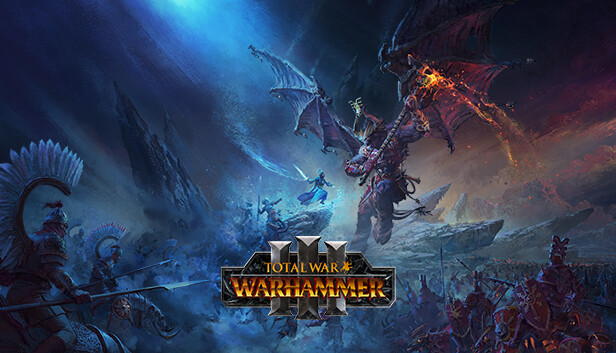
Total War: WARHAMMER III combines turn-based grand strategy with real-time tactical battles, creating a game where winning requires more than simply building the biggest army. You need to manage settlements, develop your economy, recruit suitable units, maintain diplomatic relationships, and understand how your faction's strengths fit into the wider campaign.
For new players, the sheer number of mechanics can make the campaign feel complicated. There are settlements to develop, armies to move, technologies to research, heroes to manage, battles to fight, and enemies that can appear from several directions. The key is learning how to prioritize these systems rather than trying to optimize everything at the same time.
This guide explains how to approach Total War: WARHAMMER III from the opening turns through the later stages of a campaign. It covers faction selection, early expansion, economy management, army composition, battlefield tactics, diplomacy, settlement defense, character development, and long-term campaign planning.
1. Choose a Faction That Matches Your Playstyle
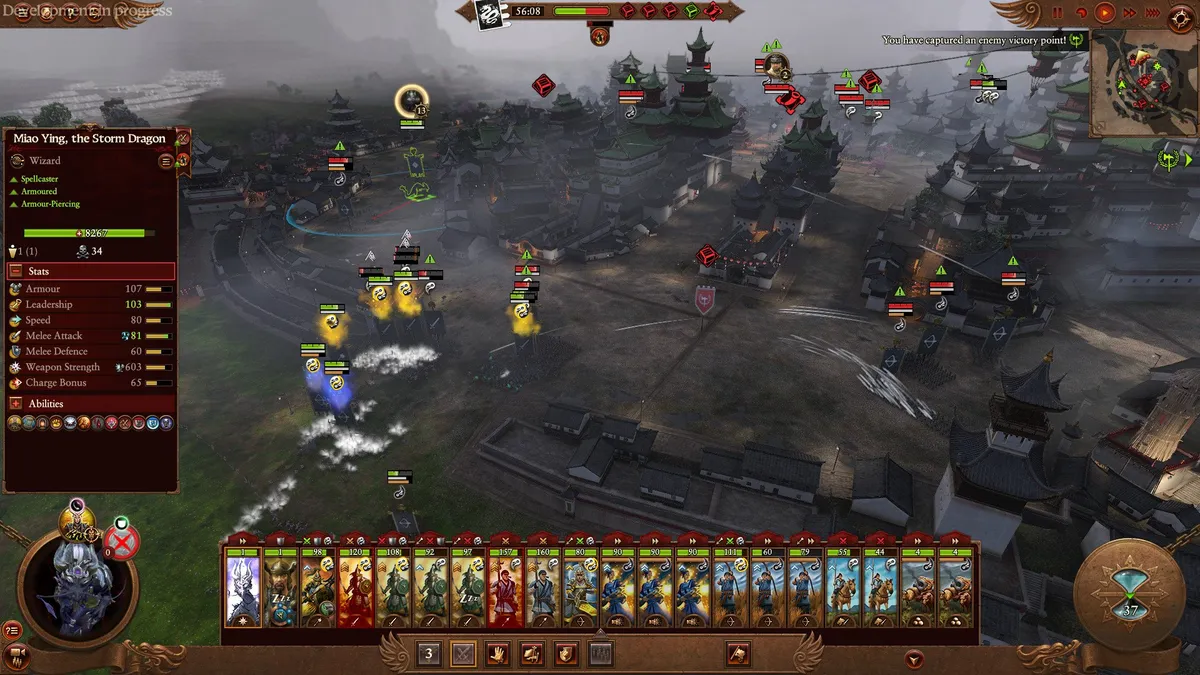
The first important decision in Total War: WARHAMMER III is choosing your faction and Legendary Lord. Different factions can feel like completely different games because they use different units, economies, mechanics, campaign objectives, and battlefield strategies.
If you are new to the Total War series, do not automatically choose a faction because it has the highest damage output or the most impressive-looking units. A faction that matches your preferred style will usually be much easier to learn. If you like defensive battles, ranged units, and strong settlements, choose a faction that supports those strengths. If you prefer aggressive expansion and constant fighting, a more mobile or melee-focused faction may be a better fit.
Think About Your Preferred Strategy
Before starting a campaign, consider which of these styles sounds most appealing:
- Aggressive expansion: Capture territory quickly and maintain constant military pressure.
- Defensive empire building: Develop settlements and let enemies attack prepared positions.
- Ranged warfare: Use missiles, artillery, and spellcasters to weaken enemies before melee combat.
- Melee aggression: Close the distance quickly and overwhelm opponents through close combat.
- Monster-focused armies: Build around powerful large units and specialized support.
- Diplomatic expansion: Use alliances and strategic relationships to avoid unnecessary wars.
There is no universally best approach. Your faction should determine how you play rather than forcing every faction into the same strategy.
Learn Your Faction Mechanics Early
Every faction has mechanics that can significantly affect the campaign. Read the faction overview before making major decisions and identify the systems that make your faction different from ordinary armies.
Understanding these mechanics early can prevent you from accidentally wasting resources or ignoring powerful bonuses.
2. Learn the Campaign Map Before Expanding Too Quickly
Once the campaign begins, it can be tempting to conquer as much territory as possible. However, uncontrolled expansion is one of the fastest ways to create problems.
Every settlement you capture creates another location that needs to be defended, developed, and connected to your wider economy. Expanding in multiple directions can leave your territory exposed and make it difficult to determine where the next enemy attack will come from.
Instead, focus on creating a secure starting region before committing to major expansion.
Secure Your First Province
Your first objective should usually be establishing control over your immediate surroundings. Capturing the remaining settlements in a nearby province can provide economic and strategic advantages while reducing the number of hostile settlements near your capital.
A compact territory is easier to defend than several isolated settlements scattered across the map.
Once your starting region is stable, identify your next target based on strategic value rather than simply choosing the closest settlement.
Look Beyond Immediate Borders
Before declaring a new war, inspect the surrounding factions.
Ask yourself:
- Who controls the territory beyond my target?
- Could capturing this settlement expose my flank?
- Which factions are likely to become hostile?
- Do I have enough armies to defend my new territory?
- Is the region economically valuable?
- Does this expansion create a useful defensive border?
A settlement can be profitable while still being strategically dangerous.
3. Build Your Economy Before Building Too Many Armies
A strong economy is the foundation of a successful Total War: WARHAMMER III campaign. Armies cost money to recruit and maintain, while settlements require investment to unlock better units and economic buildings.
One of the most common beginner mistakes is recruiting more armies than the economy can comfortably support.
A large military may look impressive, but if maintaining it prevents you from upgrading settlements, researching technologies, or replacing casualties, the army can become a financial burden.
Develop Your Settlements With a Purpose
Do not automatically construct the first available building in every settlement.
Instead, decide what role each settlement should serve.
Economic buildings can provide long-term income, military buildings unlock stronger units, and defensive structures can make important settlements harder to capture.
A practical early priority is:
- Improve income.
- Unlock essential military infrastructure.
- Increase settlement growth or development when useful.
- Add defensive buildings in vulnerable locations.
- Invest in specialized structures once your economy is stable.
Avoid Overspending
Keep an eye on your income after recruitment and construction.
Before creating another army, consider whether your economy can support it for several turns without forcing you to stop developing your settlements.
A smaller number of well-equipped armies is usually more manageable than a large collection of underdeveloped forces.
4. Create Army Compositions That Cover Multiple Battlefield Roles
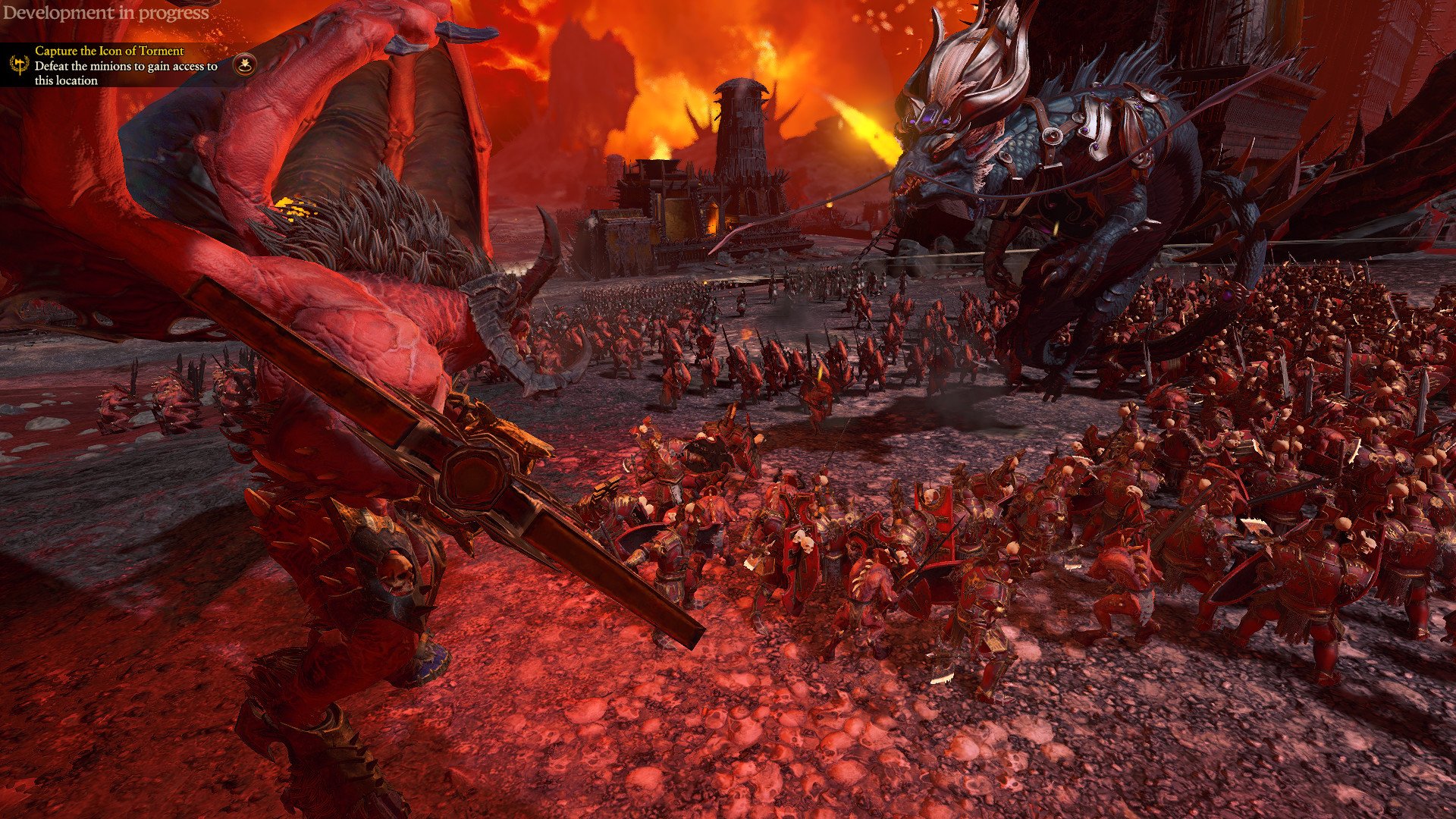
Army composition is one of the most important skills in Total War: WARHAMMER III.
A common beginner mistake is creating an army made almost entirely from one unit type. While specialized armies can work in specific situations, balanced armies are generally easier to use because they can respond to different threats.
Your army should ideally contain units that perform different roles.
Understand the Basic Unit Roles
A balanced army may include:
- Frontline infantry: Hold enemy units in place.
- Melee damage dealers: Exploit openings and destroy vulnerable targets.
- Ranged units: Deal damage from behind the frontline.
- Cavalry or mobile units: Attack flanks and vulnerable targets.
- Artillery: Apply pressure from long range.
- Monsters or elite units: Break important sections of the enemy army.
- Heroes: Provide combat abilities and utility.
- Lords and spellcasters: Strengthen the army and influence major engagements.
Not every faction has access to every category, so adapt the structure to your roster.
Build Around Synergy
The strongest army is not necessarily the one with the most expensive units.
A cheap frontline unit can be extremely valuable if it holds enemies in place long enough for your ranged units to attack safely.
Likewise, cavalry becomes much more effective when your infantry has already engaged the enemy, giving your cavalry opportunities to charge exposed flanks.
Think about how your units interact rather than evaluating them individually.
5. Learn How to Win Battles With Positioning and Formation
Total War: WARHAMMER III battles reward positioning heavily.
Simply selecting all of your units and sending them toward the enemy usually produces poor results. A stronger approach is to create a formation that allows each unit to perform its intended role.
Establish a Strong Frontline
Your frontline should prevent the enemy from reaching your vulnerable units.
Place durable infantry in front and keep ranged units behind them. Avoid leaving gaps that fast enemy units can exploit.
Your frontline does not necessarily need to destroy the enemy. Its primary purpose may simply be to hold opponents in place.
Once the enemy is committed, your other units can begin exploiting weaknesses.
Protect Your Ranged Units
Ranged units can deal enormous damage when left uninterrupted, but they are vulnerable when enemies reach them.
Keep an eye on enemy cavalry, flying units, fast monsters, and flanking infantry.
If an enemy unit begins moving toward your ranged line, respond before it arrives rather than waiting until your archers or gunners are already under attack.
Use Flanking Attacks
Once enemy units are engaged from the front, attack their sides or rear whenever possible.
Flanking can dramatically increase the effectiveness of melee units and can help break enemy morale.
Do not send your fastest units directly into the strongest enemy formation. Use them to reach vulnerable targets or create openings.
6. Use Lords, Heroes, and Magic at the Right Moment
Legendary Lords and Heroes are more than powerful units. They are central to both campaign progression and battlefield strategy.
On the battlefield, a Lord can anchor your army, defeat important targets, support nearby troops, or use abilities that influence large sections of the battle.
Heroes can perform specialized roles depending on their type and faction.
Do Not Throw Your Lord Into Every Fight
A powerful Lord can still be overwhelmed if surrounded by too many enemies.
Avoid sending your Lord into the middle of the enemy army without support unless you have a specific reason to do so.
Instead, consider where the Lord can have the greatest impact.
A melee Lord might attack enemy monsters or elite infantry, while a spellcaster may be more effective staying behind the frontline and supporting the army.
Learn When to Cast Spells
Magic is especially powerful when used against groups rather than individual targets.
Area-of-effect spells can be devastating when enemy units are tightly packed.
Before using an expensive spell, look for moments when several enemy units are positioned together.
Good spell timing can turn an unfavorable engagement into a winning one.
Develop Characters With a Plan
When leveling Lords and Heroes, avoid spending points randomly.
Decide whether the character should focus on:
- Personal combat.
- Army-wide bonuses.
- Magic.
- Campaign movement.
- Economy.
- Defensive abilities.
- Specific unit types.
A focused character build will generally be more effective than a collection of unrelated bonuses.
7. Use Diplomacy to Control the Number of Enemies You Face
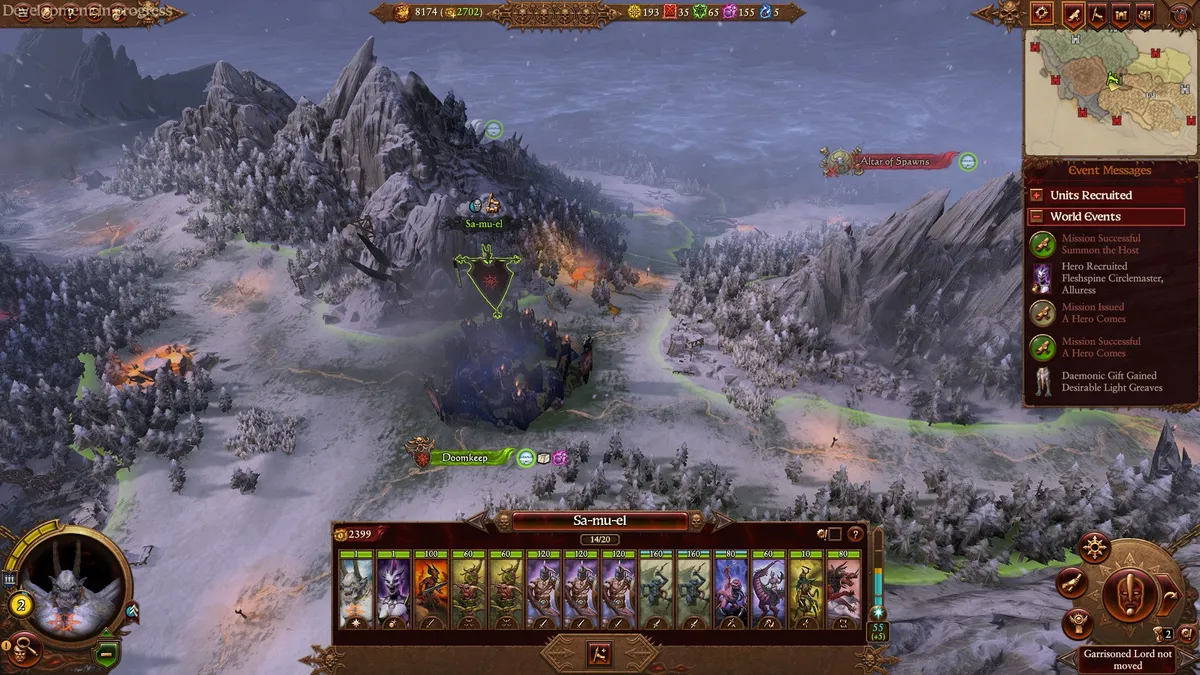
Total War: WARHAMMER III is not only about fighting battles. Diplomacy can determine how many enemies you have to fight at the same time.
Declaring too many wars can create a situation where your armies are constantly moving between different fronts.
Before starting a new conflict, check your diplomatic relationships and consider whether another faction could become a useful buffer or ally.
Avoid Unnecessary Wars
You do not need to fight every faction that dislikes you.
Sometimes maintaining a neutral relationship is strategically valuable.
If another faction is not threatening your territory, there may be little reason to spend resources fighting it.
Use diplomacy to reduce the number of directions from which enemies can attack.
Choose Allies Carefully
Military alliances can provide useful support, but they can also pull you into wars that you do not want.
Before forming a major alliance, consider:
- Where the ally's territory is located.
- Which enemies they already have.
- Whether their wars benefit you.
- Whether you can realistically help them.
- Whether the alliance could expose your territory to new enemies.
A diplomatic relationship should support your strategy rather than dictate it.
8. Defend Your Settlements and Manage Multiple Fronts
Eventually, your empire will become large enough that you cannot personally control every battlefield.
This is where defensive planning becomes essential.
Not every settlement requires a full army. Some can be protected through garrisons, walls, terrain, strategic positioning, or nearby reinforcement armies.
Identify Important Settlements
Not all settlements have equal strategic value.
Prioritize the defense of:
- Capitals.
- Major economic centers.
- Settlements controlling important borders.
- Locations connecting different parts of your territory.
- Regions with valuable resources.
- Settlements that are difficult to replace.
If an enemy captures a minor settlement, the consequences may be manageable. Losing a major economic or strategic center can destabilize your entire campaign.
Use Armies as Mobile Defense
Instead of placing a large army permanently inside one settlement, position it where it can respond to multiple threats.
A central army can often defend several nearby locations more efficiently than separate small armies.
However, do not spread your forces so far apart that none can respond quickly enough.
Think About Enemy Movement
The campaign map allows you to predict potential threats.
If an enemy army is near your border, do not wait until it attacks before preparing.
Move your forces into a position where they can respond to multiple possible targets.
9. Research Technologies and Improve Your Faction Over Time
Technology can provide significant long-term advantages, but it is easy to overlook when you are focused on battles.
Research should support the direction of your campaign.
If you are building an army around a specific unit type, technologies that improve those units can provide much more value than unrelated bonuses.
Prioritize Technologies That Match Your Strategy
Consider prioritizing research that improves:
- Core military units.
- Income.
- Recruitment.
- Campaign movement.
- Public order or stability.
- Construction.
- Faction-specific mechanics.
- Your preferred battlefield strategy.
A technology that looks small individually can become extremely valuable when combined with other bonuses.
Think Long Term
Some technologies provide benefits that may not feel significant immediately.
Do not judge research only by its immediate effect. Consider how the bonus will affect dozens of turns of future gameplay.
This is especially important in longer campaigns where small economic improvements can accumulate into substantial advantages.
10. Prepare for the Late Game With a Long-Term Campaign Plan
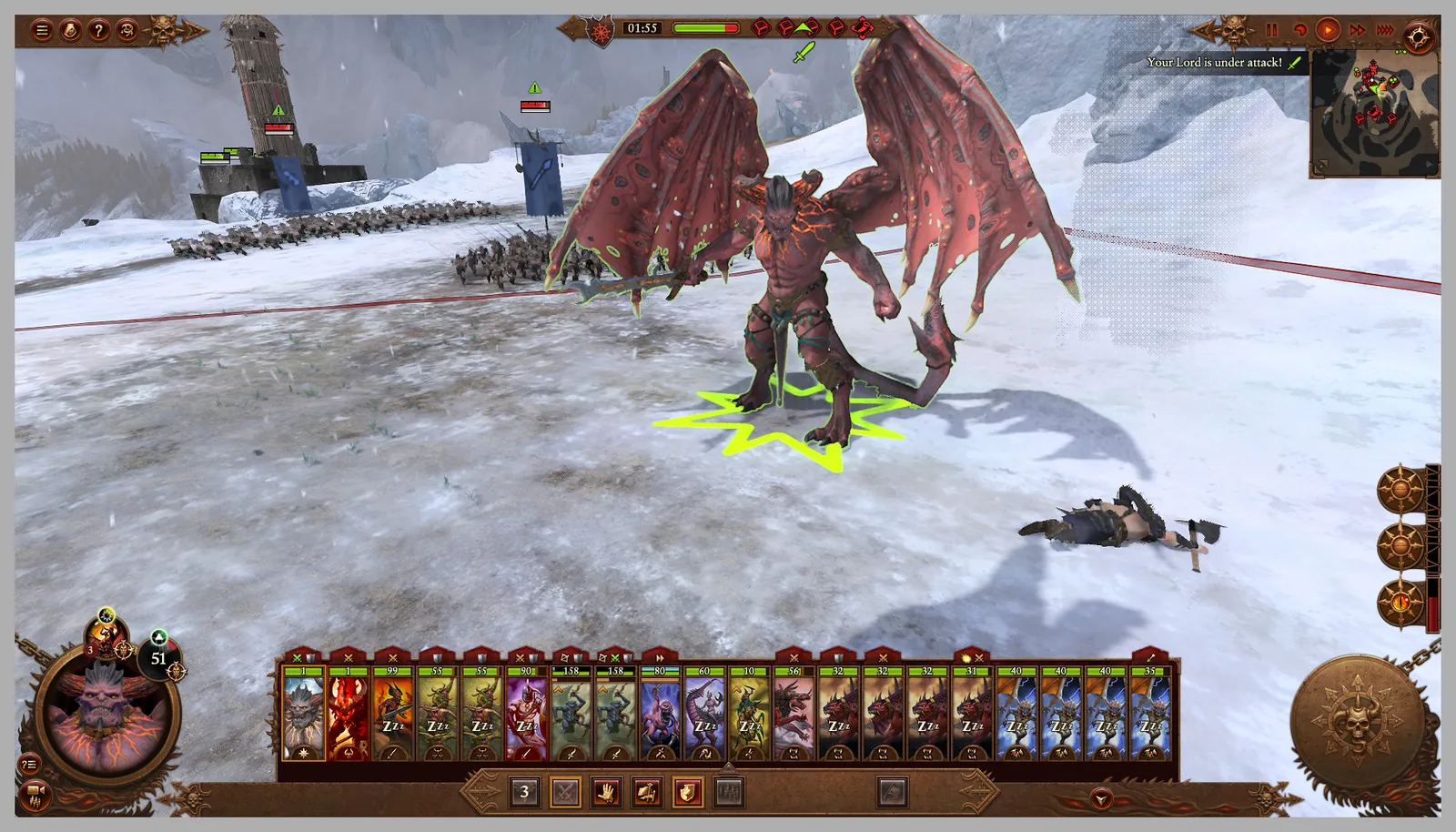
The early game is about survival and establishing a secure position. The mid-game is about expansion and developing stronger armies. The late game requires you to think on a much larger scale.
By this stage, you should have several reliable armies, developed settlements, stable income, and clear strategic objectives.
The biggest danger is becoming overextended.
Do Not Expand Faster Than You Can Defend
Every new territory creates additional responsibilities.
Before launching a major offensive, ask:
- Can I defend the territory afterward?
- Can my economy support another army?
- Will this expansion create a new enemy?
- Does the territory provide something strategically valuable?
- Where will my next defensive line be?
If the answer to several of these questions is unclear, it may be better to consolidate your current empire first.
Maintain Multiple Army Roles
Late-game campaigns benefit from specialized armies.
You might maintain:
- A primary offensive army.
- A defensive army for vulnerable borders.
- A mobile army for rapid response.
- A specialized force designed for a particular enemy.
This allows you to fight on multiple fronts without forcing every army to perform every task.
Learn From Every Battle
Even experienced players lose battles.
Instead of simply restarting, identify why the battle went badly.
Was your formation too wide? Did your ranged units become exposed? Did cavalry fail to flank? Did you use magic too early? Did your frontline collapse before your damage dealers could work?
Every mistake can improve your understanding of the game's tactical systems.
Conclusion
Learning how to play Total War: WARHAMMER III effectively requires you to think on two different levels at once. The campaign map demands long-term planning, while individual battles require immediate tactical decisions.
Start by choosing a faction that matches your preferred playstyle and learning its unique mechanics. Establish a secure starting province before expanding too aggressively, then build an economy capable of supporting your armies. Rather than recruiting units randomly, create balanced armies where infantry, ranged units, cavalry, monsters, heroes, and magic can support one another.
On the battlefield, positioning is often more important than raw unit strength. Protect vulnerable units, maintain a reliable frontline, use flanking attacks, and learn when your Lord or spellcaster can make the biggest impact.
Diplomacy is equally important. Avoid unnecessary wars, choose allies carefully, and use your relationships to reduce the number of enemies attacking your territory at once. As your empire grows, protect strategic settlements and keep mobile forces available to respond to threats.
Finally, think about the campaign several turns ahead. Strong players are not simply reacting to enemy movements; they are preparing for them before they happen.
With a stable economy, well-designed armies, smart diplomacy, and disciplined battlefield tactics, you can turn a chaotic Total War: WARHAMMER III campaign into a controlled and rewarding strategy experience.
160-character summary:
Learn how to master Total War: WARHAMMER III with tips for factions, economy, armies, battles, diplomacy, settlement defense, magic, and long-term strategy.