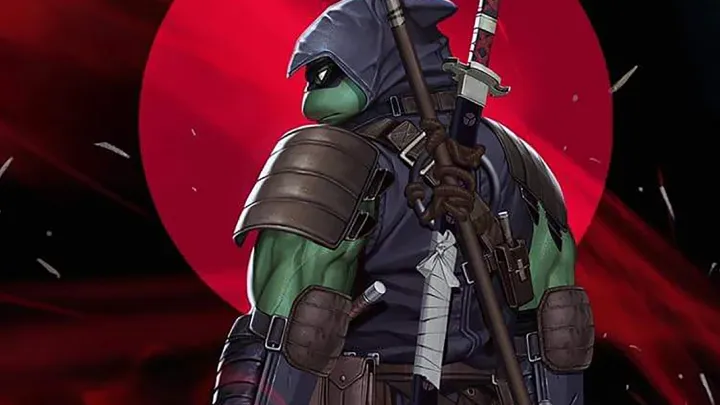
The Last Ronin: Navigating Narrative Depth and Gameplay Mechanics in a Post-Apocalyptic Ninja World
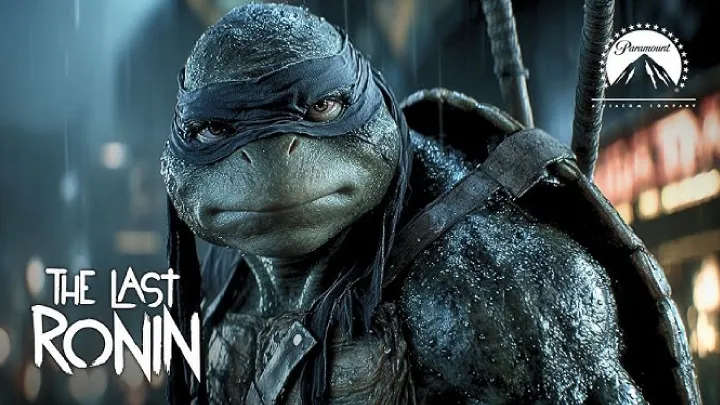
The Last Ronin has gained significant attention as a poignant narrative-driven game set in the iconic Teenage Mutant Ninja Turtles universe. Drawing inspiration from the comic series of the same name, the game presents a dark, dystopian future where one of the beloved turtles, now a solitary figure, embarks on a quest for redemption and revenge against overwhelming odds. While the game boasts engaging story elements and visually compelling graphics, one critical issue stands out: the challenge of balancing narrative depth with dynamic gameplay mechanics. This article delves into how The Last Ronin navigates this complex relationship and the implications it has on player experience.
Setting the Stage: The World of The Last Ronin
In The Last Ronin, players find themselves in a somber world, far removed from the traditional tales of camaraderie and teamwork found in previous Ninja Turtles stories. This departure sets the scene for a more mature narrative.
A Dystopian Future
The game introduces a future where the once-vibrant New York City is now a desolate landscape, and the turtles have fallen victim to tragedy. Each turtle's demise is deeply felt, and players witness a world stripped of its heroes, where darkness reigns.
Emotional Stakes
The emotional stakes are raised as players navigate this haunting environment. The last remaining turtle's journey is one of loss, survival, and vengeance, creating a strong narrative hook that invites players to immerse themselves fully in the world.
The Central Narrative: Themes of Loss and Redemption
At its core, The Last Ronin explores profound themes of loss, redemption, and the burden of legacy. This narrative depth serves as the backbone of the game, influencing the player's motivations and connections to the protagonist.
The Burden of Legacy
As the last surviving member of the Ninja Turtles, the protagonist carries the weight of his fallen brothers. This legacy is not only personal; it reverberates throughout the story and the world, prompting reflections on heroism and sacrifice.
Flashbacks and Storytelling
The game effectively utilizes flashbacks to weave together the protagonist's memories of his brothers, making their absence a tangible presence in the gameplay. These moments enrich the narrative, allowing players to witness the camaraderie that once existed.
Redemption Arc
The protagonist's journey is also a quest for redemption. Haunted by past failures, the character seeks to avenge the death of his brothers and confront the enemies that took everything from him. This pursuit of vengeance is layered with emotional complexity, compelling players to engage with both the action and story.
The Challenge of Gameplay Mechanics
While the narrative shines, the gameplay mechanics present unique challenges that can affect the overall player experience. Striking a balance between combat, exploration, and storytelling is vital for maintaining immersion and engagement.
Combat System Design
The combat system in The Last Ronin combines traditional brawling mechanics with stealth elements. Players utilize an array of weaponry and abilities that reflect the martial prowess of the remaining turtle.
Dynamic Combat
Combat feels fluid, allowing players to chain attacks and execute intricate combos. However, the complexity of the combat system can occasionally overwhelm players, particularly if they’re not accustomed to action-oriented gameplay.
Stealth Elements
Players can adopt stealth approaches to navigate enemies unnoticed. While this mechanic adds depth to gameplay, it also introduces pacing challenges, especially if stealth sequences feel drawn out or overly punishing.
Balancing Combat and Stealth
The seamless transition between combat and stealth is crucial. When players are forced into combat scenarios without the option for stealth, the experience can feel jarring and disrupt the pacing of the overall gameplay.
Exploration: Freedom vs. Linear Structure
Exploration is a key component of The Last Ronin, allowing players to navigate a vast environment filled with secrets, collectibles, and enemy encounters. However, the level design raises questions about freedom versus linear progression.
Open-World Elements
Though players are given the illusion of freedom, many levels follow a linear structure. The environments are richly detailed, inviting players to explore, but often lead to confined paths that can limit player agency.
Hidden Discoveries
Players can uncover lore items and collectibles that expand the backstory. However, when exploration leads to repetitive rewards, the thrill of discovery may diminish.
The Impact on Player Agency
This design choice brings into question player agency. If the game primarily guides players down specific paths, the sense of exploration may feel constrained, leading to moments of disconnect between the storyline and player experience.
Suggestions for Improvement
- More Diverse Environments: Expanding level design to include branching paths would enhance player exploration and encourage repeated playthroughs.
- Dynamic Side Quests: Introducing side quests tied to character backstories would motivate players to explore the environment while also deepening the narrative experience.
Pacing and Narrative Integration
Successfully blending combat and storytelling while maintaining an engaging pace is vital for the success of The Last Ronin. However, this balance can sometimes lead to uneven transitions.
The Flow of Gameplay
Pacing can fluctuate dramatically throughout the game. High-intensity combat sequences can suddenly give way to slower moments of reflection, impacting the overall rhythm.
Emotional Impact
While narrative-driven moments are essential for storytelling, excessive downtime can lead players to lose engagement, especially after adrenaline-fueled encounters. A balanced flow is key to maintaining emotional investment.
Strategies for Pacing Improvement
- Integrating Flashbacks during Combat: Introducing flashbacks that unfold during combat encounters could provide context and emotional weight while enhancing pacing.
- Variable Intensity Levels: Allowing players to manage pacing through difficulty settings that adjust enemy intensity, combat, and narrative focus could cater to varying player preferences.
Character Development and Emotional Resonance
One of the strongest aspects of The Last Ronin is its character development. The protagonist's emotional journey is intricately woven into the gameplay, shaping player connections to the story.
Depth of Emotion
The development of the protagonist is reflective of loss, guilt, and vulnerability. As players navigate through the game, they witness the toll that previous events have taken on him, creating a strong emotional arc.
Relationships with Fellow Turtles
The flashbacks that depict interactions with his fallen brothers offer insight into their personalities, increasing the emotional stakes during confrontations with enemies. This character development fosters a sense of attachment to the narrative.
The Weight of Loss
The emotional weight of loss drives player motivation and investment in the story. As players encounter familiar foes and environments tied to the past, they experience a blend of nostalgia and sadness.
Suggestions for Enhancing Character Dynamics
- Cultivating Relationships: There could be opportunities for expanded dialogue options that allow players to make choices affecting memories or reflections during flashback sequences.
- Dynamic Character Interactions: Including characters from the broader TMNT universe as allies or adversaries might enrich the emotional landscape and create compelling interactions.
Artistic Direction: Visual Storytelling
The visuals play a crucial role in delivering the game's narrative. The Last Ronin employs a stylized art direction that enhances both atmosphere and emotional depth.
Visual Aesthetics
The game features a unique art style that captures the gritty essence of a dystopian world while remaining true to the TMNT's roots. The environments, character designs, and animations contribute to a visually striking experience.
Environmental Storytelling
Detailed environments enhance the story's emotional context. Ruined buildings and overgrown landscapes tell tales of a fallen society, while character designs reflect the scars of their experiences.
Balancing Graphics and Performance
While the game excels in visuals, performance issues can detract from the overall experience. Frame rate drops and graphical glitches, if present, can lead to player frustration and disrupt immersion.
Importance of Technical Optimization
Ensuring technical optimization is vital for maintaining engagement. Smooth performance is foundational for creating a seamless experience, allowing players to focus on both gameplay and narrative without interruption.
Community Reception and Feedback
The reception of The Last Ronin has been largely positive, but player feedback reveals areas of concern regarding gameplay mechanics and narrative execution.
Engaging with the Fanbase
Developers have engaged with the player community to gather insights on what resonates and what aspects may require more attention. Continued dialogue fosters player investment and can lead to future improvements.
Areas of Concern
- Combat Complexity: While many appreciate the mechanics, some players feel that the complexity can deter new players.
- Narrative Depth: Requests for broader character arcs and enhanced emotional engagement have been frequent in community discussions.
Moving Forward with Community Suggestions
Incorporating player feedback is essential for refining the game. Developers have an opportunity to introduce patches and expansions that address concerns and enrich gameplay, ensuring longevity.
The Future of The Last Ronin
As The Last Ronin progresses, there lies potential for new content and updates that could refine gameplay mechanics, enhance narrative elements, and enrich the overall experience.
Expansion Opportunities
Potential expansions could include additional narrative arcs, new environments, or character interactions that delve deeper into the TMNT lore. This would foster continued engagement and exploration within the world.
New Character Introductions
Incorporating additional characters from the TMNT universe could bring fresh storylines, dynamics, and player engagement opportunities, enriching the overall experience.
Cultivating a Lasting Legacy
By addressing current challenges and evolving the gameplay in response to community feedback, The Last Ronin has the potential to leave a lasting legacy within both the TMNT franchise and the gaming landscape.
Conclusion
The Last Ronin stands as a testament to the power of narrative in gaming, exploring poignant themes of loss and redemption against a backdrop of engaging combat mechanics. However, the challenge of balancing gameplay depth with narrative richness remains a crucial consideration. By refining pacing, enhancing character development, and actively engaging with community feedback, developers can elevate the game’s standing, ensuring it resonates with players and becomes a beloved chapter in the Teenage Mutant Ninja Turtles legacy.