.webp)

Warframe is a game built on momentum—narrative momentum, mechanical momentum, and above all, the momentum of player power. Over more than a decade, Digital Extremes has created a vast universe of systems, weapons, Warframes, and mission types. Yet beneath the spectacle lies a persistent structural issue: the game’s power curve has grown so steep that much of its content struggles to remain relevant. This article explores the evolution, causes, and consequences of Warframe’s power creep problem, tracing how it emerged, how it shaped the game’s identity, and why it remains one of the most difficult design challenges DE faces today.
1. The Early Foundations: When Power Had Limits
In Warframe’s earliest years, the game’s power structure was surprisingly modest. Weapons had simple stats, mods were limited in scope, and Warframes had abilities that were strong but not overwhelming. Challenge came from scarcity—scarcity of mods, resources, and knowledge.
Enemies scaled in predictable ways, forcing players to rely on positioning, teamwork, and careful modding. There were no Helminth abilities, no Archon Shards, no Kuva or Tenet weapons, and no Incarnon evolutions. The ceiling was low, but the floor was low as well, creating a balanced ecosystem.
In this era, content relevance was natural. Everything felt dangerous because players were not yet gods. The game’s identity was built on tension, not dominance.
H3: The Simplicity of Early Modding
Core mods like Serration and Hornet Strike were powerful but not game-breaking.
H4: Limited Ability Scaling
Abilities were impactful but rarely capable of trivializing entire maps.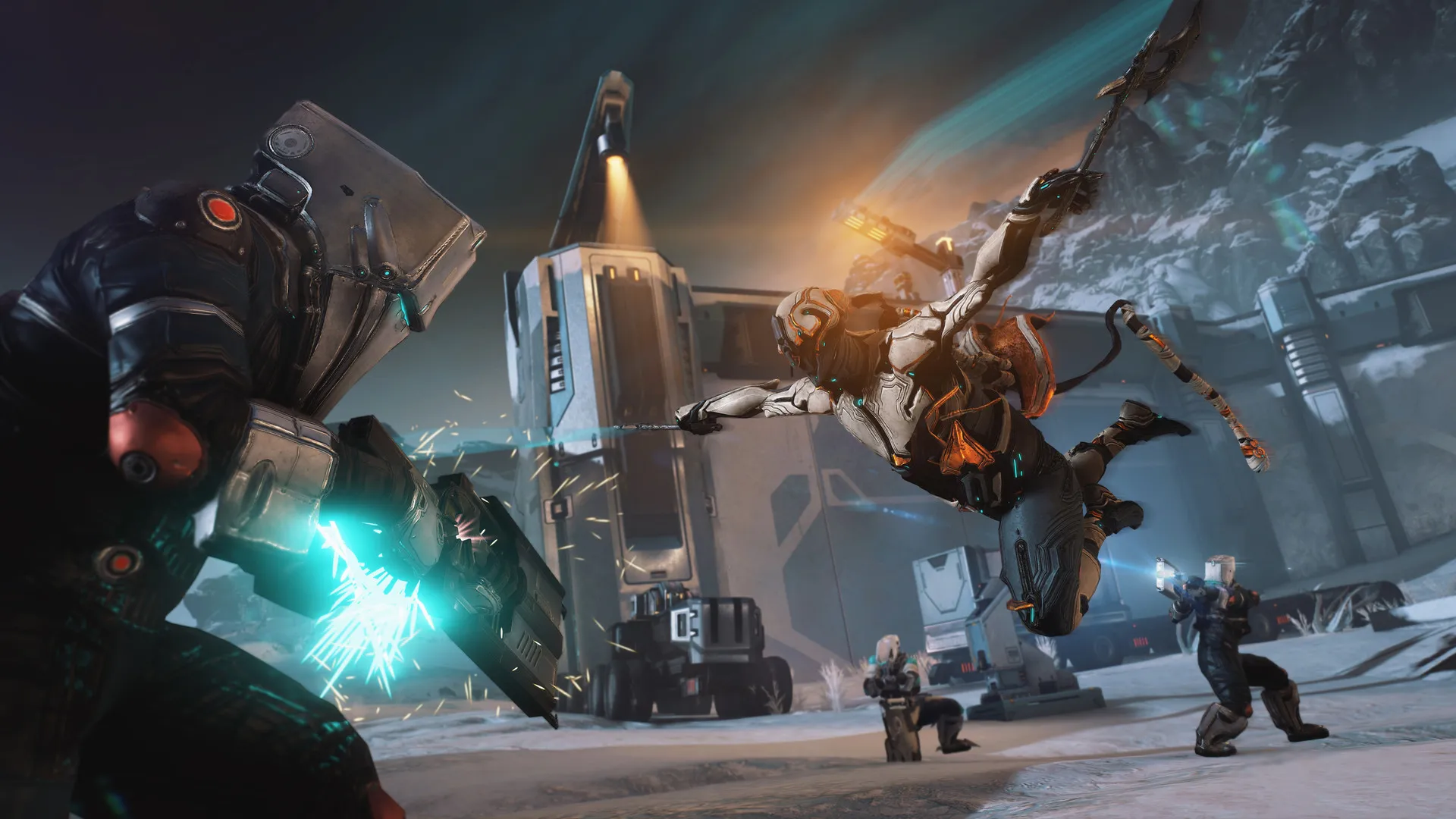
2. The Introduction of Mods That Changed Everything
As Warframe grew, so did its modding complexity. The introduction of corrupted mods, dual-stat mods, and eventually primed mods began to stretch the power curve.
Corrupted mods such as Blind Rage and Transient Fortitude allowed players to push ability strength to extremes. Primed mods raised the ceiling even further, enabling builds that far exceeded the original design intent.
For the first time, players could create builds that trivialized content that once felt challenging. Difficulty shifted from enemy design to mod acquisition.
H3: The Rise of Min-Maxing
Players discovered that stacking strength, duration, or range could transform Warframes into map-clearing machines.
H4: The First Signs of Content Irrelevance
Older missions became speedrun playgrounds rather than tactical challenges.
3. The Warframe Arms Race: New Frames, New Extremes
With each new Warframe release, DE pushed the boundaries of what abilities could do. Frames like Mesa, Saryn, and Equinox introduced unprecedented levels of area damage.
These Warframes were fun and flashy, but they also accelerated the arms race. New frames had to be more exciting than old ones, and excitement often meant power. The result was a gradual inflation of ability strength across the roster.
Older Warframes struggled to keep up unless they received reworks, and even then, the bar kept rising. The game’s internal balance began to drift.
H3: The Meta Becomes Ability-Centric
Damage abilities overshadowed weapons, and crowd control frames lost relevance.
H4: The Shift Toward “Press 4 to Win”
Entire missions could be cleared with a single button, reducing engagement and challenge.
4. The Introduction of Rivens: A System That Broke the Curve
Rivens were introduced to make underused weapons viable. Instead, they became one of the most significant contributors to power creep.
By offering randomized stat combinations with massive multipliers, Rivens allowed even mediocre weapons to reach absurd levels of damage. The system also created a market-driven economy where the strongest Rivens commanded enormous prices.
Rivens didn’t just elevate weak weapons—they pushed strong weapons into god-tier territory. The gap widened further.
H3: RNG Meets Power
The randomness of Rivens meant some players gained access to game-breaking builds by luck alone.
H4: The Market Distortion
Riven trading became a meta-game, overshadowing the weapons themselves.
5. Kuva and Tenet Weapons: The New Apex of Arsenal Power
The introduction of Kuva and Tenet weapons represented a new era of weapon design. These weapons were not just strong—they were designed to be the strongest.
With bonus elemental damage, unique mechanics, and high base stats, they quickly overshadowed older weapons. Even without Rivens, they were top-tier. With Rivens, they became unstoppable.
This created a new problem: older weapons became obsolete unless they received buffs or Incarnon adapters years later.
H3: The Power Gap Widens
New players using MK1 weapons could not meaningfully compare to veterans wielding Kuva Bramma or Tenet Arca Plasmor.
H4: The Death of Weapon Diversity
Players gravitated toward a handful of meta weapons, leaving hundreds unused.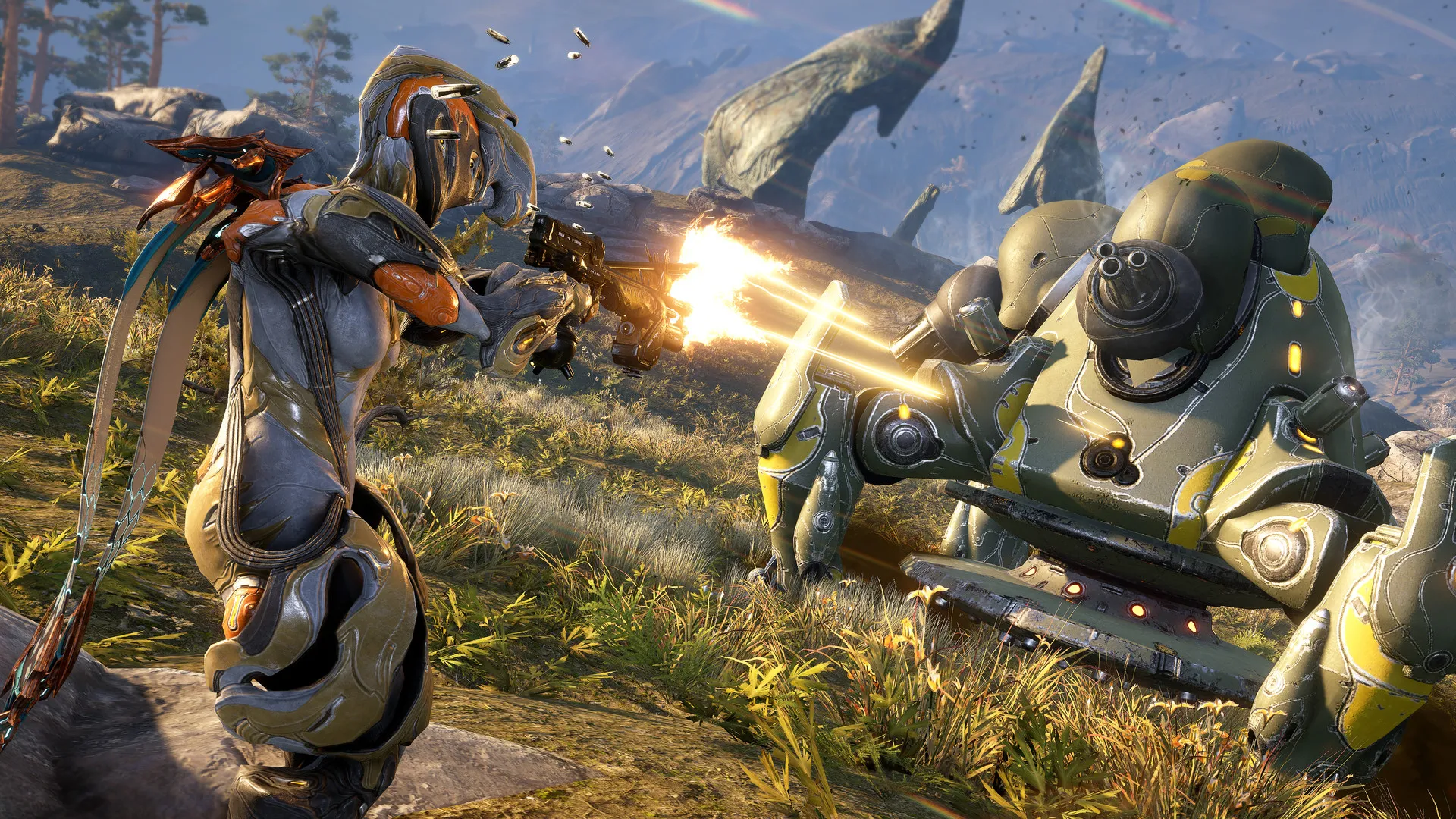
6. The Helminth System: Customization or Chaos?
The Helminth system allowed players to infuse abilities from one Warframe onto another. This was a revolutionary idea—but also a dangerous one.
Suddenly, every Warframe could access abilities that were never intended for them. Buffs, nukes, and survivability tools could be stacked in ways that broke the game’s internal logic.
Helminth didn’t just increase power—it multiplied it. The system rewarded experimentation, but it also enabled extreme builds that trivialized content.
H3: Universal Buff Access
Abilities like Roar, Eclipse, and Nourish became staples across dozens of frames.
H4: The Loss of Warframe Identity
When every frame can do everything, uniqueness suffers.
7. Archon Shards: Permanent Power, Permanent Problems
Archon Shards introduced permanent stat boosts that could be stacked indefinitely across Warframes.
These shards allowed players to push builds beyond previous limits—more strength, more duration, more energy economy, more survivability. The system was exciting, but it also further inflated the power curve.
Because shards were permanent, they created a long-term imbalance that could not be easily tuned without upsetting players.
H3: The Problem of Permanence
Permanent upgrades are difficult to balance retroactively.
H4: The Rise of Hyper-Optimized Builds
Players with fully sharded frames operate on a different power level entirely.
8. Incarnon Weapons: Evolution or Escalation?
Incarnon weapons were marketed as a way to revitalize old weapons. In practice, they became some of the strongest weapons ever introduced.
Their evolutions granted massive stat boosts, unique mechanics, and transformation modes that outclassed nearly everything else. While they succeeded in making old weapons relevant, they also pushed the power ceiling even higher.
Some Incarnons became so strong that they overshadowed even Kuva and Tenet weapons, creating yet another tier of power.
H3: The Incarnon Meta
Weapons like the Incarnon Latron or Braton became top-tier overnight.
H4: The Cycle Continues
Each new system must now compete with Incarnons, raising the bar further.
9. The Consequences: Content That Cannot Keep Up
All this power has a cost: most of Warframe’s content cannot meaningfully challenge players anymore.
Enemies die too quickly, missions end too fast, and mechanics designed for engagement are bypassed entirely. Even Steel Path, intended as a harder mode, becomes trivial with optimized builds.
The result is a game where players are incredibly powerful but often bored. The challenge is gone, and with it, the sense of progression.
H3: The Death of Difficulty
When everything melts instantly, difficulty becomes an illusion.
H4: The Problem of Player Expectation
Players now expect new content to challenge their god-tier builds, forcing DE into a design corner.
10. The Future: Can Warframe Escape the Power Spiral?
Warframe’s power creep problem is not unsolvable, but it requires careful design and long-term planning.
DE must find ways to make content relevant without invalidating player investment. This could involve enemy reworks, mission redesigns, or new systems that emphasize skill over raw stats. The challenge is enormous, but so is the opportunity.
Warframe thrives when players feel powerful—but not invincible. Restoring that balance is key to the game’s future longevity.
H3: Potential Solutions
- Improved enemy AI
- Mechanics that require interaction
- Scaling systems that reward skill, not stats
H4: A Hopeful Outlook
Warframe has reinvented itself many times. It can do so again.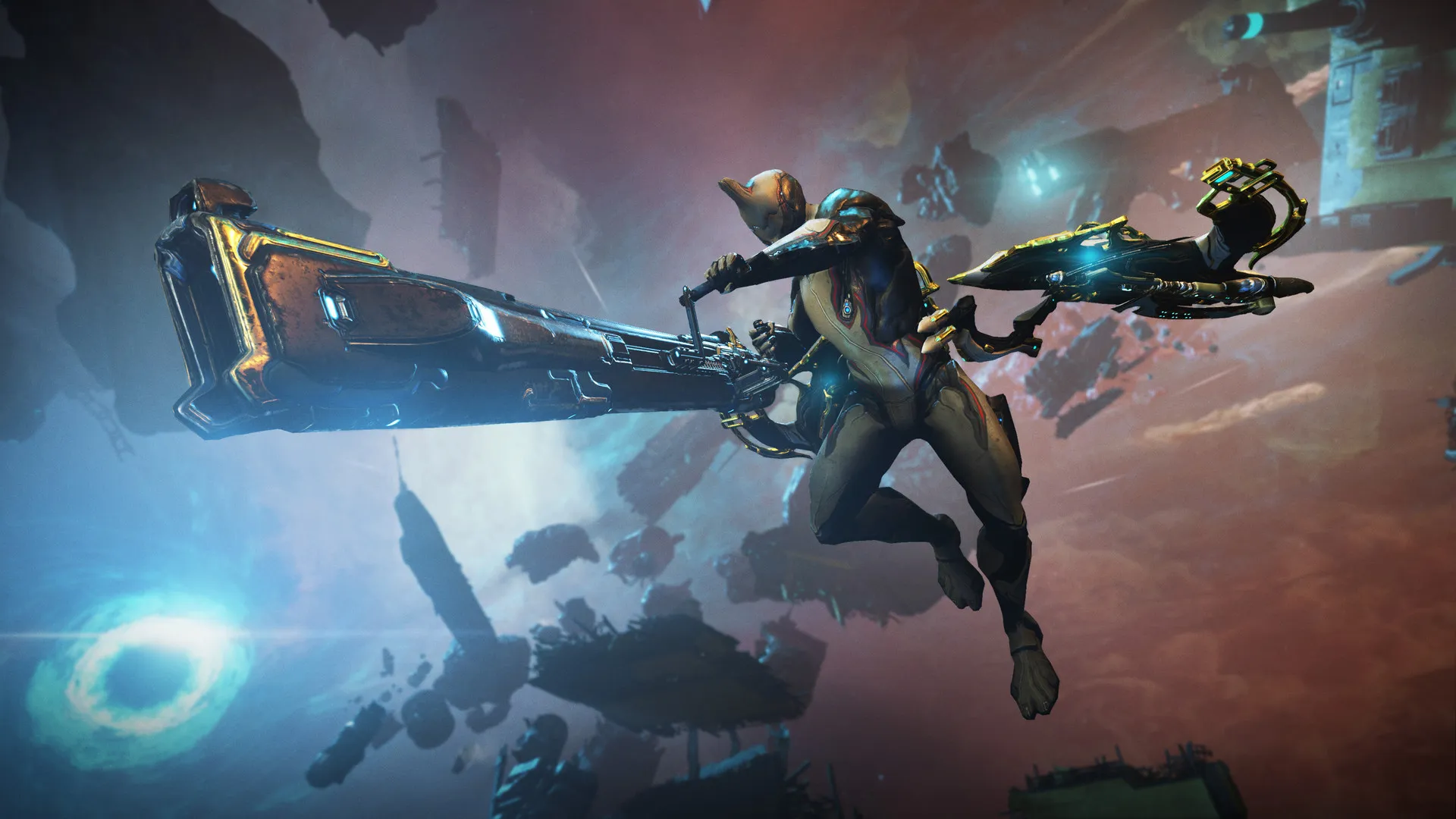
Conclusion
Warframe’s power creep is both its greatest strength and its greatest weakness. The game empowers players like few others, but that empowerment has come at the cost of content relevance and long-term balance. Understanding how this issue evolved—from early mods to Rivens, Kuva weapons, Helminth, Archon Shards, and Incarnons—reveals a pattern of escalating power that the game now struggles to contain. Yet Warframe’s history shows that Digital Extremes is capable of bold reinvention. If they can find a way to preserve player power while restoring meaningful challenge, Warframe’s future will remain as bright as its past.