.webp)







Introduction
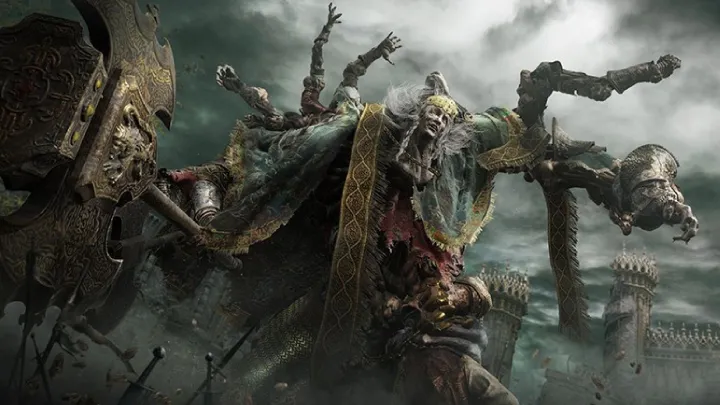
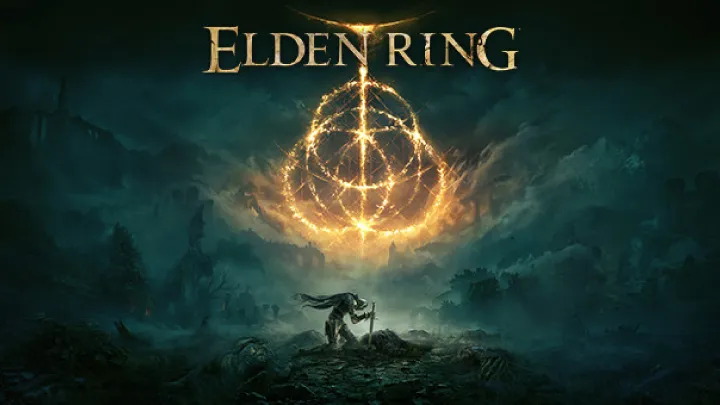
Elden Ring, developed by FromSoftware and co-created by George R.R. Martin, has captivated gamers with its rich lore, intricate world design, and complex gameplay mechanics. However, one of the most compelling and contentious themes in Elden Ring is the dichotomy of light and darkness. This duality not only shapes the narrative and character arcs but also has profound implications on gameplay, player choices, and the overarching moral quandaries presented throughout the game. In this article, we will analyze the intricate relationships and tensions between light and darkness, exploring how these concepts manifest in the game’s lore, characters, and overall atmosphere.
The Origins of Light and Darkness in Elden Ring
The Mythos of the Greater Will
At the heart of Elden Ring's universe lies a cosmic power known as the Greater Will. Revered by some and feared by others, it represents the principle of light, order, and ambition. The Greater Will's influence is evident in the shape of the Golden Order, which promotes the values of hierarchy, stability, and enlightenment. Characters like Marika the Eternal embody this principle, serving as guardians of the light and enforcers of the Golden Order's doctrine.
The Emergence of the Night's Divine
Conversely, the darkness is represented by entities such as the Night's Divine and the myriad forces that oppose the Greater Will. The concept of night brings forth chaos, uncertainty, and the subversion of established norms. The characters associated with this theme—like Ranni the Witch—embody rebellion against the established order, advocating for autonomy and personal freedom. This dichotomy lays the groundwork for the moral choices players encounter throughout their journey.
The Character Arc of Ranni the Witch
A Enigmatic Figure in the Night
Ranni stands as one of the most significant characters representing the theme of darkness. Her character arc illustrates a profound rebellion against the Golden Order and its constraints. Ranni’s journey begins with her desire to escape the fate assigned to her by others, seeking to forge her own path in a world that is tightly bound by the doctrines of the light.
The Choice of Darkness
Ranni challenges the player by presenting an alternative perspective. Her quest revolves around embracing the chaos and uncertainty often associated with darkness. Accepting Ranni’s allegiance invites players to challenge the game's established norms and potentially sever ties with the conventional expectations set by the Greater Will. The moral complexity of her character forces players to ponder whether embracing darkness can lead to liberation rather than despair.
The Nature of the Tarnished
Shifting Loyalties
The Tarnished—players’ characters—embody a unique position in this cosmic struggle. As beings marked by the blessings of the Elden Ring, they find themselves at a crossroads between light and darkness. The Tarnished's journey reflects the tensions inherent in choosing sides. Each decision can tilt the balance of power and influence within the game's world, colors defining their identity and allegiances.
Embracing the Grey
Unlike traditional heroes, the Tarnished exist in a morally grey area, navigating a landscape rife with deception and ambiguity. Their choices can lead to various endings—each representing a different resolution to the light-dark dichotomy. This system challenges the binary nature of good and evil, inviting players to explore the nuances of their morality.
The Gameplay Mechanics Linked to Light and Darkness
The Influence of Elden Rings
Throughout Elden Ring, players encounter various factions and characters, each embodying the themes of light and darkness. Players can align with or against these factions based on their understanding of the principles involved. The game's mechanics reflect this dichotomy, featuring weapons, spells, and abilities that resonate with either element.
Ambiguous Outcomes
The interplay of light and darkness is not merely thematic but also practical. Players wield light-based spells and weapons for targeted attacks and healing or must embrace darker abilities to inflict chaos and debilitation. This intersection of gameplay with narrative allows for deeper engagement, forcing players to confront their moral choices directly in combat scenarios.
The Atmosphere of Elden Ring: A World Divided
A Visual Narrative
The landscapes of Elden Ring vividly represent the struggle between light and darkness. The regions are not merely backdrops but active participants in the narrative. From the sunlit valleys under the watchful glimmer of the Elden Ring to the shadowy depths of the Night’s Domain, the environments reflect the ongoing battle for balance between these opposing forces.
Symbolic Architecture
Structures and designs throughout the game carry symbolic weight; cathedrals and fortresses bathed in golden light signify the dominance of the Greater Will, while other locales steeped in shadow evoke the allure of the unknown and the challenges it presents. Players must navigate these environments carefully, as each choice shapes their journey through the light-dark spectrum.
Confronting the Challenges of the Greater Will
The Trials of Marika
As players dig deeper, they must confront the trials set forth by Marika the Eternal. Each encounter forces players to balance their inclinations toward light or darkness. Players are faced with the choice of either adhering to Marika's vision of order and stability or embracing the inherent chaos of rebellion. The stakes are high as players choose to dismantle the very structures that shape the world around them.
The Resonance of Choices
These confrontations challenge players to consider the long-term consequences of their decisions. Each trial offers a glimpse into the cycle of life, death, and rebirth in Elden Ring. The choices made during these travels shape the mindset of the Tarnished and determine which factions will rise or fall based on the player's inclinations. The game’s environment reacts to these choices, marking regions with scars of past conflicts, signifying the enduring impact of light versus darkness.
The Impact of Light and Darkness on Player Experience
Narrative Engagement
Players' immersion in Elden Ring is significantly enhanced by how the themes of light and darkness inform their narrative experience. The outpouring of choices made during gameplay shapes not only the personal journey of the Tarnished but also the very fabric of the game world. This multilayered narrative promotes deeper engagement, encouraging players to explore various paths to witness the multiple outcomes.
Community Reflection
The duality of light and darkness has ignited discussions within the player community. Forums buzzing with theories, fan art, and in-depth analyses tackle the nuances of the game's themes, reflecting how player decisions resonate beyond individual experience. This engagement fosters a sense of community, as players collaboratively explore the implications of their choices and the resulting impacts on the game's universe.
The Endings of Elden Ring: Resolutions of the Dichotomy
Multiple Outcomes
Elden Ring's endings serve as a culmination of the light and darkness narrative. Each possible conclusion reveals the consequences of the player's choices, presenting a spectrum of resolutions that run the gamut from utopian visions to grim dystopias. These conclusions don't merely serve as narrative closures but embody the thematic struggles the player has undertaken, often challenging their assumptions about morality throughout the game.
The Importance of Choice
The varying endings underscore the significance of player agency. By the game's conclusion, players realize that their paths were not just mere buttons pressed but reflections of their beliefs about power, hierarchy, and autonomy. The narrative illustrates that whether one leans toward light or darkness, all choices bear consequences, propelling the story forward in significant ways.
Conclusion
Elden Ring intricately weaves the dichotomy of light and darkness into its narrative, informing character arcs and gameplay mechanics while encouraging players to confront profound moral questions. The interactions between characters such as Ranni and Marika illuminate the tensions and conflicts that define the struggle between order and chaos within the game's universe. As players navigate through the richly designed world, they must grapple with their unique interpretations of freedom, power, and agency, ultimately leading to diverse endings that reflect the complexity of their journey. Tackling themes that resonate far beyond mere gameplay, Elden Ring establishes itself as not just a game but a socio-philosophical exploration of human nature and the choices individuals make in the face of overwhelming cosmic forces.