.webp)







Introduction
Spiritfarer is a unique management adventure game where players take on the role of Stella, a ferrymaster guiding spirits to the afterlife. Unlike traditional survival or crafting games, Spiritfarer focuses on emotional storytelling combined with deep management mechanics involving ship upgrades, farming systems, crafting chains, and exploration planning. Success depends on efficient resource gathering, understanding spirit needs, optimizing ship layouts, and carefully managing progression pacing.
While the game feels relaxing on the surface, many players struggle with resource shortages, inefficient ship setups, or delayed progression due to poor planning. This guide provides a complete strategy framework covering early-game foundations, mid-game efficiency, late-game optimization, and practical gameplay tips to help players experience Spiritfarer smoothly from beginning to end.
Understanding the Core Gameplay Loop
Spiritfarer revolves around a repeating gameplay loop that combines exploration, crafting, and emotional storytelling progression. Players travel across a large ocean map, collect materials, upgrade their ship, and fulfill requests from spirits before guiding them through their final journey.
The core loop includes:
- Exploring islands to gather materials and meet new spirits
- Farming and producing resources onboard the ship
- Crafting buildings and upgrades
- Completing spirit requests and story quests
- Expanding travel abilities to unlock new regions
Understanding this loop helps players avoid wasting time sailing without purpose and ensures consistent progression. Each activity feeds into another system, making efficiency extremely important.
Early Game Priorities and First Upgrades
The early hours of Spiritfarer establish the foundation for the entire experience. Many new players progress slowly because they upgrade randomly rather than strategically.
Your first priorities should include:
- Unlocking basic crafting stations
- Building food production structures
- Expanding ship space gradually
- Collecting common resources whenever traveling

Important early buildings:
- Kitchen for feeding spirits
- Garden for vegetables
- Loom for fabric production
- Saw Mill for wood processing
Focusing on self-sustaining production early reduces dependency on constant island visits and prepares you for later demands.
Efficient Exploration and Map Navigation
Exploration is not simply traveling everywhere randomly. Fuel costs, travel time, and locked regions make planning essential.
Exploration strategies:
- Combine multiple objectives in one travel route
- Visit nearby islands before moving to new regions
- Always gather resources even if not immediately needed
- Mark locations that contain rare materials
Avoid sailing long distances without a purpose. Efficient routing saves significant real-time gameplay hours and prevents resource bottlenecks later.
Resource Management Fundamentals
Resource shortages are the most common obstacle in Spiritfarer. Materials often require multiple processing steps, meaning poor planning causes chain delays.
Key resource categories include:
- Raw materials (wood, ore, plants)
- Processed materials (planks, fabric, metal sheets)
- Food ingredients
- Special quest items

Management tips:
- Always process materials while sailing
- Keep production buildings active
- Maintain backup stock of essential resources
- Never use rare materials without checking future upgrades
A constantly running production cycle ensures smooth gameplay progression.
Food Systems and Spirit Happiness
Feeding spirits is central to maintaining happiness levels and progressing storylines. Each spirit has unique food preferences, and understanding them improves efficiency.
Food strategy tips:
- Learn each spirit’s favorite meals early
- Cook multiple meals at once during travel
- Avoid feeding disliked foods repeatedly
- Use farming buildings for renewable ingredients
Happy spirits provide rewards, unlock dialogue, and advance quests faster, making food management more important than many players expect.
Ship Layout Optimization
As the ship grows, poor layout decisions create movement inefficiency. Since players frequently travel between buildings, organization saves time.
Layout principles:
- Place frequently used buildings near each other
- Keep vertical climbing minimal
- Group production buildings together
- Separate farming and industrial areas
A well-organized ship reduces travel time during busy gameplay moments and makes daily routines smoother.
Mid-Game Progression and Ability Unlocks
The mid-game introduces new mechanics such as advanced traversal abilities and environmental obstacles. Players must begin planning long-term upgrades carefully.
Mid-game goals:
- Unlock icebreaker and rock-destroying upgrades
- Expand farming variety
- Upgrade tools for faster resource gathering
- Begin preparing for rare material crafting
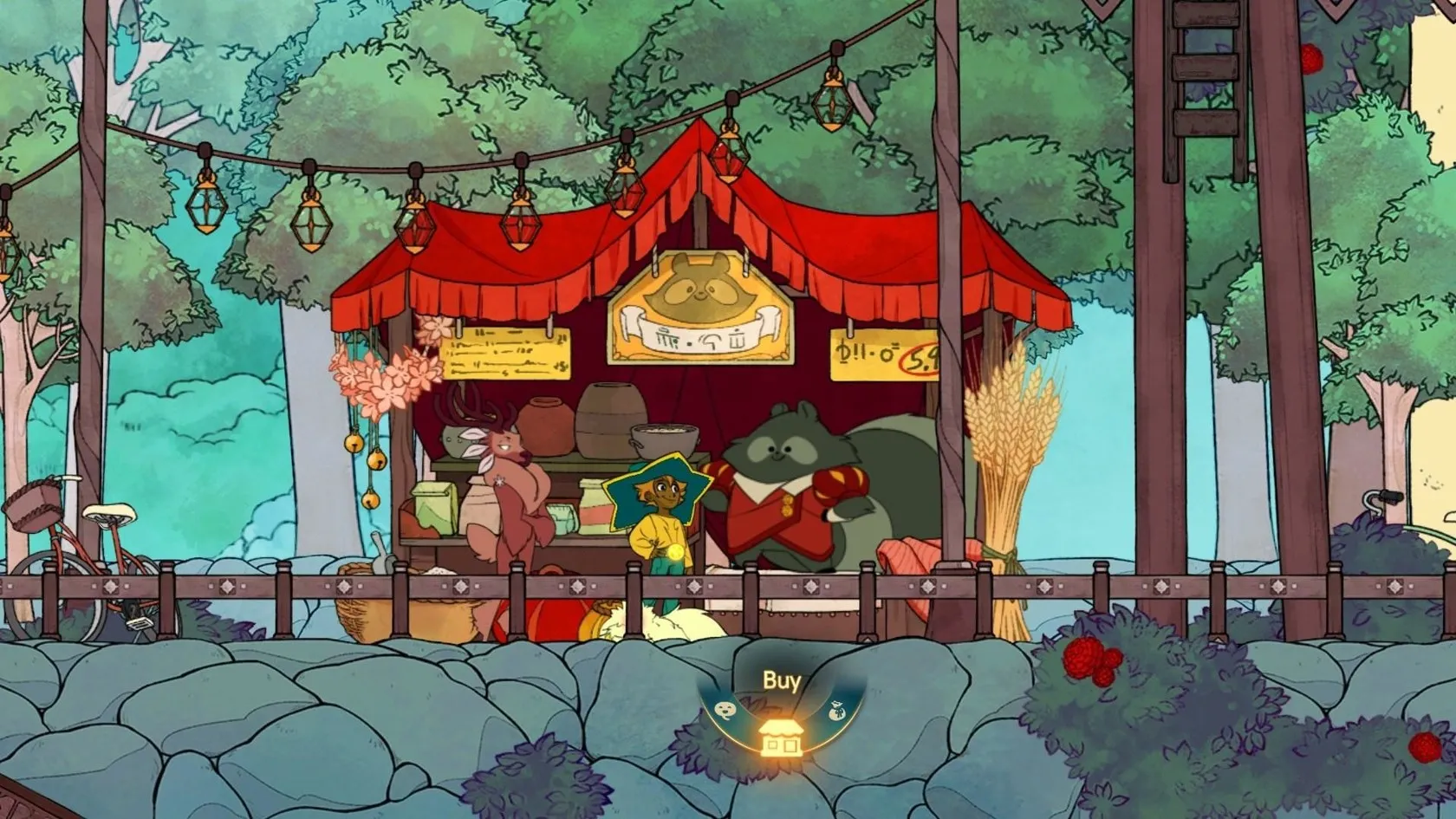
During this phase, balancing exploration with spirit quests becomes critical. Ignoring either slows overall progression.
Managing Multiple Spirits Efficiently
As more spirits join your ship, tasks multiply rapidly. Efficient multitasking becomes essential to prevent overwhelm.
Management tips:
- Check spirit requests at the start of each day
- Combine similar tasks into one activity cycle
- Feed multiple spirits during one cooking session
- Complete quests in geographic clusters
Treat the game like a daily routine simulation rather than a checklist to reduce stress and improve flow.
Late-Game Optimization and Rare Materials
Late-game progression focuses on advanced upgrades requiring rare resources and refined production chains.
Late-game strategies:
- Farm high-value materials in bulk
- Upgrade production buildings fully
- Prepare resources before unlocking new regions
- Focus on completing remaining spirit storylines
Planning ahead prevents long grinding sessions and keeps emotional pacing aligned with gameplay progression.
Emotional Story Progression and Player Pace
Spiritfarer is as much about emotional closure as gameplay mechanics. Rushing through spirit quests can reduce the impact of the narrative experience.
Best pacing practices:
- Spend time interacting with spirits daily
- Complete optional dialogue events
- Avoid skipping exploration moments
- Allow story beats to unfold naturally
Balancing efficiency with emotional engagement creates the most rewarding experience the game offers.
Conclusion
Spiritfarer blends management gameplay with heartfelt storytelling, creating an experience that rewards patience, organization, and thoughtful progression. Players who focus on efficient resource management, strategic exploration, optimized ship layouts, and strong relationships with spirits will progress smoothly while fully appreciating the emotional depth of the journey. By mastering production chains, planning travel routes, and maintaining spirit happiness, you transform your ship into a thriving moving home and complete Stella’s role as ferrymaster with confidence and care.
160-Character Summary
Master Spiritfarer with tips on ship upgrades, resource management, exploration planning, spirit happiness, and late-game optimization strategies.