Rivals 2 Competitive Mastery Guide: How to Control Neutral Game and Win More Matches Consistently
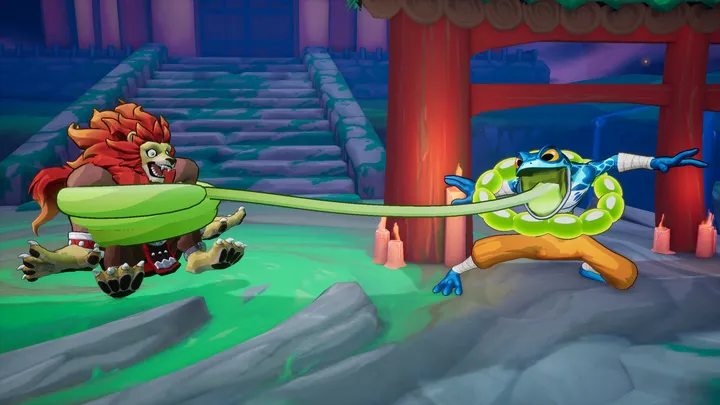
In Rivals 2, one of the most misunderstood aspects of high-level gameplay is the neutral game. Many players spend hours practicing combos, movement techniques, and edge-guard setups, yet still struggle to win consistently against stronger opponents. The reason is simple: they do not truly understand how to control neutral.
A major “Tips & Guides” issue in Rivals 2 is this: how to dominate the neutral phase without relying on risky aggression or predictable patterns. Players often overcommit to attacks, panic under pressure, or fail to understand spacing and tempo. As a result, they lose control of matches before combos even begin.
This guide dives deeply into how to master neutral game fundamentals, including positioning, movement, baiting, spacing, pressure control, and adaptation. Instead of focusing on flashy mechanics, this article teaches the structured decision-making that separates average players from competitive-level fighters.
Understanding Why Neutral Game Decides Matches
Neutral game is the phase where neither player has advantage.
This is where positioning and decision-making matter most.
What neutral actually means
Neutral is the battle for:
• Space
• Tempo
• Opening hits
• Positional advantage
Why most players fail in neutral
Overcommitting attacks
Swinging without purpose.
Predictable movement
Repeating the same approaches.
Panic options
Using unsafe defensive habits.
Key insight
The player controlling neutral controls the pace of the entire match.
Step One: Learning Proper Spacing Fundamentals
Spacing is the foundation of neutral control.
Good spacing allows you to threaten opponents while staying safe.
Types of spacing
Offensive spacing
Close enough to pressure.
Defensive spacing
Far enough to react safely.
How to improve spacing
• Learn attack ranges
• Understand opponent hitboxes
• Stay just outside danger range
Common mistakes
• Standing too close constantly
• Retreating too far and losing pressure
Perfect spacing creates opportunities without unnecessary risk.
Step Two: Mastering Movement Without Wasting Actions
Movement in Rivals 2 is extremely important.
However, movement must have purpose.
Effective movement principles
Controlled mobility
Move with intention.
Micro-positioning
Small adjustments matter.
Good movement habits
• Dash to threaten space
• Short-hop carefully
• Maintain stage positioning
Bad movement habits
• Constant random jumping
• Excessive dashing without purpose
Movement should gather information, not create vulnerability.
Step Three: Using Baiting to Force Mistakes
Strong players rarely attack first recklessly.
Instead, they bait reactions.
What is baiting?
Baiting means creating situations where opponents make unsafe choices.
Baiting techniques
Empty movement
Approach without attacking.
Delayed timing
Attack later than expected.
Why baiting works
Most players react automatically under pressure.
Key principle
Control the opponent’s decisions before controlling the fight itself.
Step Four: Understanding Tempo and Match Flow
Every match has a rhythm.
Top players understand how to manipulate tempo.
Tempo types
Fast tempo
Aggressive pressure and fast exchanges.
Slow tempo
Careful positioning and patience.
Tempo control strategies
• Slow down against aggressive players
• Speed up against passive players
Common issue
Players often force the same pace regardless of matchup.
Adaptation is essential.
Step Five: Winning Neutral Through Safe Pressure
Pressure does not always mean attacking.
True pressure comes from threatening options safely.
Safe pressure tools
Spacing aerials
Attack while staying difficult to punish.
Threat zones
Occupy areas opponents fear entering.
Pressure checklist
• Are you safe if you miss?
• Can you react after the attack?
• Are you conditioning the opponent?
Safe pressure builds long-term advantage.
Step Six: Recognizing Opponent Habits Quickly
Pattern recognition is a critical skill.
Common habits players develop
• Rolling after pressure
• Jumping from corners
• Attacking after whiffs
How to identify habits
Early observation
Watch first interactions carefully.
Repeated situations
Look for recurring responses.
Punishment strategy
Once habits are identified:
• Predict reactions
• Set traps
• Force uncomfortable situations
Adaptation wins long sets.
Step Seven: Managing Stage Control Properly
Stage position matters more than damage in many situations.
Why stage control is powerful
• Limits opponent movement
• Creates edge-guard opportunities
• Increases pressure potential
Stage control techniques
Center stage priority
Maintain strong positioning.
Corner pressure
Trap opponents near ledges.
Common mistake
Chasing hits too aggressively and losing position.
Positioning often matters more than immediate damage.
Step Eight: Avoiding Panic Options Under Pressure
Many matches are lost because players panic defensively.
Common panic behaviors
• Random dodges
• Unsafe attacks
• Predictable recoveries
How to stay calm
Slow decision-making mentally
Don’t rush reactions.
Accept temporary disadvantage
Not every situation requires immediate escape.
Key insight
Defensive patience creates escape opportunities.
Step Nine: Building Matchup Awareness Over Time
Every character changes neutral interactions.
Matchup knowledge areas
• Attack ranges
• Recovery options
• Speed differences
Learning process
- Identify dangerous moves
- Understand punish windows
- Adjust spacing accordingly
Advanced tip
Neutral changes dramatically depending on matchup dynamics.
Step Ten: Turning Neutral Control Into Consistent Wins
The goal is consistency—not random success.
Consistency habits
• Focus on positioning first
• Attack with purpose
• Adapt continuously
Improvement checklist
• Are you overcommitting?
• Are you observing habits?
• Are you controlling stage space?
Long-term development
Neutral mastery develops gradually through disciplined practice.
Conclusion
Mastering neutral game in Rivals 2 is the key to becoming a consistently strong player. While combos and flashy mechanics may win individual moments, neutral control determines the overall flow of the match. By improving spacing, movement, baiting, tempo management, pressure control, habit recognition, stage positioning, defensive patience, and matchup understanding, players can build a structured approach that works against all types of opponents. Over time, these skills transform gameplay from reactive and chaotic into controlled and strategic. With practice and discipline, neutral game mastery becomes the foundation for long-term competitive success.