.webp)



Monster Hunter Stories 3: Twisted Reflection continues the beloved RPG spin-off series where players become Riders who bond with monsters called Monsties. Unlike the action-focused mainline Monster Hunter games, this entry uses a strategic turn-based combat system while emphasizing exploration, monster raising, and storytelling.
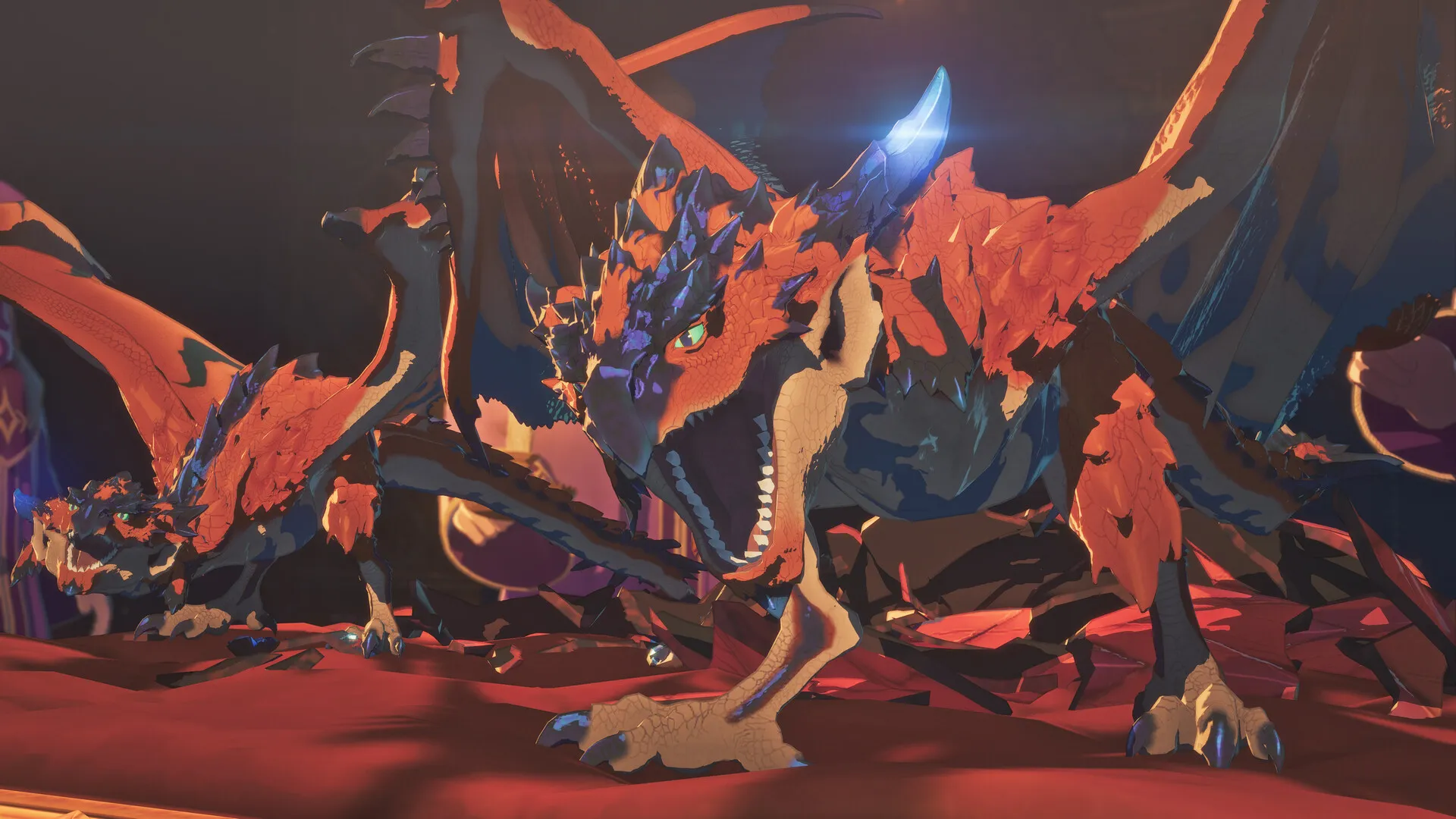
Set in a world shaped by political tensions and mysterious events surrounding twin Rathalos born from a single egg, the game sends players across diverse environments to uncover secrets and restore balance.
This guide will help you master combat mechanics, build a powerful Monstie team, manage resources efficiently, and overcome the toughest encounters in Monster Hunter Stories 3.
Understanding the Rider and Monstie Bond
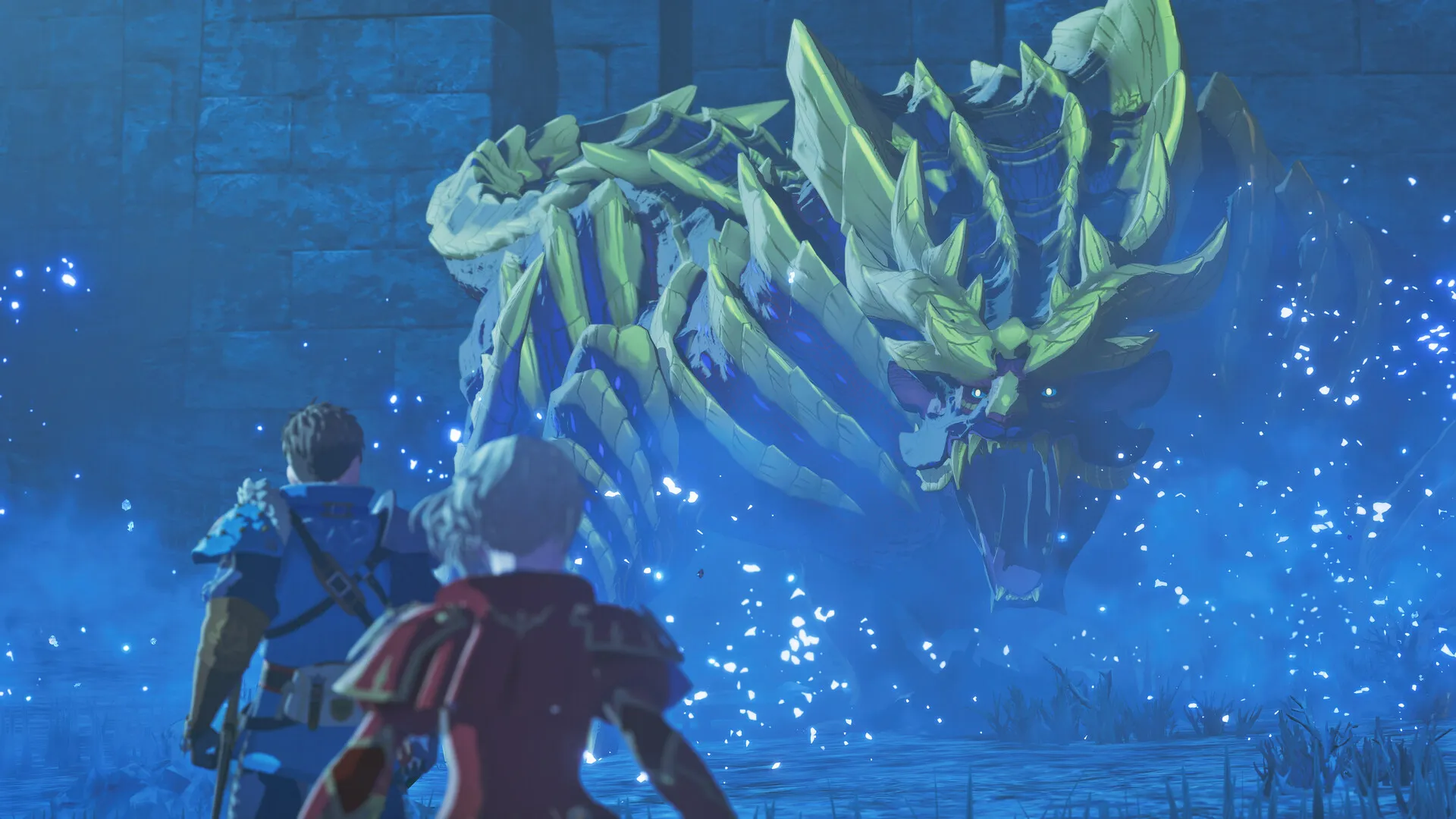
The central mechanic of the game revolves around Riders forming deep bonds with Monsties.
Unlike traditional monster-hunting games where monsters are enemies, in this series they become partners in battle and exploration. Building strong relationships with your Monsties improves combat synergy and unlocks powerful kinship abilities.
Each Monstie also offers traversal abilities such as climbing, swimming, or breaking obstacles, allowing you to reach new areas and discover hidden treasures.
Mastering the Turn-Based Combat System
Combat in Monster Hunter Stories 3 relies on a strategic turn-based system where Riders and Monsties fight together.
The game uses a rock-paper-scissors style attack system: Power beats Technical, Technical beats Speed, and Speed beats Power. Predicting enemy moves correctly gives you extra damage and prevents incoming attacks.
Learning enemy patterns quickly becomes one of the most valuable skills in the game.
Building a Balanced Monstie Team
A strong team requires diversity in attack types and elemental strengths.
Some Monsties specialize in raw damage, while others provide buffs, debuffs, or defensive skills. Having a mix of these roles helps you adapt to different enemies and boss fights.
Switching Monsties mid-battle also allows you to counter enemy strategies more effectively.
Finding and Hatching Powerful Eggs
Exploration plays a major role in collecting new Monsties.
During expeditions, you will discover monster dens containing eggs. Each egg has unique genetic traits that influence the abilities of the Monstie once it hatches.
Rare dens often contain stronger eggs, so always keep an eye out for glowing entrances or unusual environments.
Understanding Gene and Skill Customization
The gene system allows you to modify your Monstie’s abilities.
By transferring genes between monsters, you can create hybrid builds that combine powerful attacks, elemental effects, and passive bonuses.
Advanced players often create specialized builds designed specifically for boss encounters or high-level hunts.
Weapon Types and Rider Combat Strategy
Your Rider also plays an active role in combat.
Different weapon types target specific monster parts and deal different kinds of damage. Choosing the right weapon helps you break parts, stagger enemies, and control the pace of battle.
Rotating between weapon types ensures you remain effective against a wide range of monsters.
Managing Resources and Crafting Gear
Equipment crafting remains a core part of the Monster Hunter experience.
Defeating monsters grants materials used to craft armor and weapons that reflect the abilities of the monsters themselves. Some armor boosts elemental resistance, while others enhance attack power or kinship skills.
Efficient resource management ensures you stay prepared for difficult encounters.
Exploring the World and Completing Side Quests
The world of Monster Hunter Stories 3 is filled with towns, wilderness zones, and hidden dungeons.
Side quests often reward rare items, Monsties, or upgrade materials that are difficult to obtain elsewhere.
Completing optional objectives also helps you understand the world’s lore and build stronger relationships with characters.
Preparing for Boss Battles
Boss encounters are significantly more complex than standard fights.
Boss monsters often change attack patterns or elemental phases during battle. Paying attention to these transitions allows you to adjust your Monstie team and attack strategy accordingly.
Saving kinship skills for critical moments can turn the tide of difficult battles.
Late-Game Strategy and Endgame Challenges
As you progress into the later stages of the game, enemies become more aggressive and tactical.
High-level hunts require careful planning, optimized Monstie builds, and mastery of the combat system. Late-game content rewards players who fully understand gene customization and team synergy.
Building multiple Monstie teams for different elemental encounters becomes essential for long-term success.
Conclusion
Monster Hunter Stories 3: Twisted Reflection expands the series with deeper storytelling, strategic turn-based combat, and a vibrant world filled with monsters to bond with. By mastering the Rider-Monstie relationship, learning enemy patterns, crafting powerful gear, and customizing your team, you can overcome even the toughest challenges. With patience and strategy, every Rider can build a legendary team and uncover the mysteries surrounding the twin Rathalos.