How to Progress Faster and Outsmart Every Stage In Adventure Rush

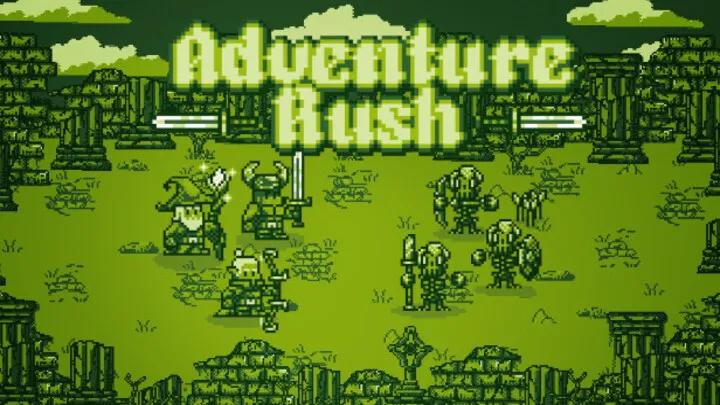
Adventure Rush is a fast-paced action game that blends reflex-based movement, enemy avoidance, and stage awareness into a constantly escalating challenge. While it looks simple at first glance, the game quickly demands precision, planning, and the ability to adapt under pressure. Players who rely only on speed often fail, while those who understand the rhythm of each stage consistently advance further.
This blog explains how to play Adventure Rush effectively, focusing on movement control, stage reading, and long-term improvement rather than brute force.
Understanding the Core Gameplay Flow

Every run in Adventure Rush follows a predictable but unforgiving loop:
- Enter a stage
- Analyze enemy and trap patterns
- Move, dodge, and react
- Reach the exit or fail
Success depends on how well you read each stage before acting.
Why Patience Beats Speed
Many new players rush forward and get overwhelmed.
Smart Movement Principles
- Pause briefly to observe patterns
- Move only when safe paths appear
- Avoid unnecessary jumps or dashes
Controlled movement keeps you alive longer than reckless speed.
Reading Enemy and Trap Patterns
Stages are designed with rhythm.
Pattern Recognition Tips
- Watch timing cycles before moving
- Identify repeating movements
- Look for safe zones
Understanding patterns turns chaos into predictability.
Positioning Is a Defensive Tool
Where you stand matters as much as how you move.
Good Positioning Habits
- Stay near escape routes
- Avoid corners unless required
- Keep space between you and threats
Proper positioning reduces reaction pressure.
Using Momentum Wisely
Momentum can help or harm.
Momentum Control Tips
- Stop moving after major actions
- Avoid chaining risky moves
- Reset your position when unsure
Regaining control prevents cascading mistakes.
Learning When to Retreat
Not every situation requires forward movement.
Retreat Strategy
- Step back when patterns overlap
- Reset enemy timing
- Wait for clearer openings
Retreating is a tactical decision, not failure.
Stage-Specific Adaptation
Later stages introduce combined threats.
How to Adapt
- Prioritize the most dangerous element
- Ignore distractions
- Adjust timing expectations
Flexibility is key to survival.
Common Mistakes That End Runs
Most failures are avoidable.
Mistakes to Avoid
- Overconfidence after early success
- Ignoring visual cues
- Panicking under pressure
Awareness prevents repeated errors.
Improving Through Short Sessions
Adventure Rush rewards focused practice.

Practice Tips
- Play in short, concentrated sessions
- Review what caused failures
- Focus on one skill at a time
Quality practice beats long grinding sessions.
Developing the Right Mindset
Mental discipline determines long-term success.
Winning Mindset Habits
- Stay calm after mistakes
- Treat each run as learning
- Focus on consistency, not records
Progress comes from stability.
Conclusion
Adventure Rush challenges players to think, not just react. By mastering movement discipline, reading stage patterns, and maintaining mental control, you can push further with every run. Success lies in patience, observation, and smart decision-making—not raw speed. When you learn to slow down, you begin to truly rush forward.